Solo Doesn't Mean Alone — Here's How
How to Travel Solo Without Ever Really Being Alone
In my last blog I wrote about loneliness and why I rarely feel it when travelling solo.
A few people got in touch afterwards asking the obvious follow-up question: but how?
So here's the practical answer. I've just started my European journey, and here's exactly how I've structured the trip to make sure I'm never truly alone for long — without compromising any of the freedom that makes solo travel worth doing in the first place.
1. Start somewhere familiar
If the idea of landing in a foreign country completely alone feels like too much, don't do it. At least not straight away.
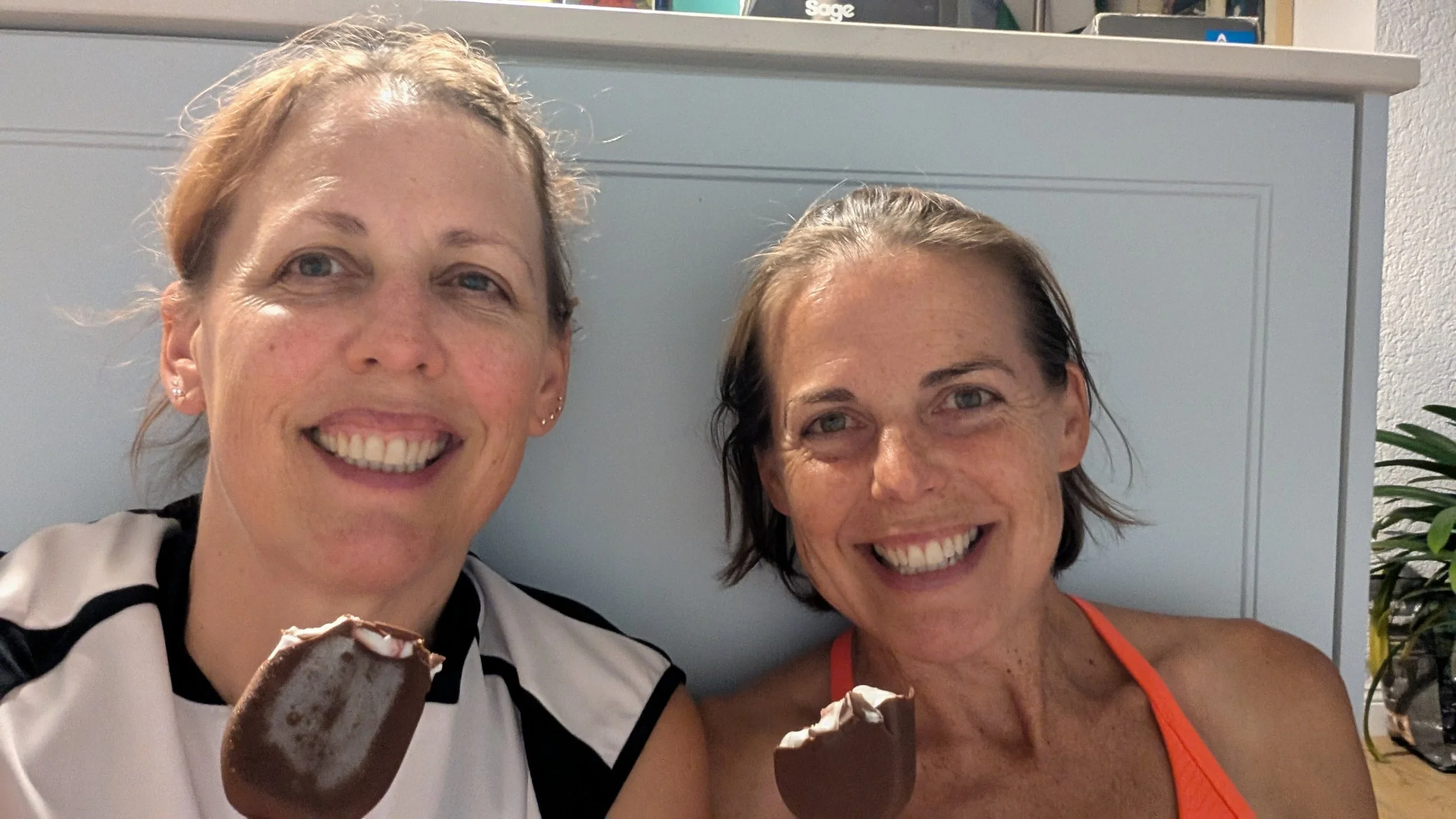
I'm flying into Germany and spending the first couple of nights with my sister. It eases me in gently — familiar face, decent food, someone to talk to while I get my bearings. There's no rule that says solo travel has to begin the moment you step off the plane.
Starting with family or a friend gives you a base, a soft landing, and usually a home cooked meal. After that, heading off alone feels considerably less daunting.
2. Build in activities that put you around people automatically
This is the big one.
Rather than relying on chance encounters to ward off loneliness, build things into your itinerary that guarantee you'll be around people. Courses, classes, organised tours, guided hikes — anything with a structure that puts you in a group.
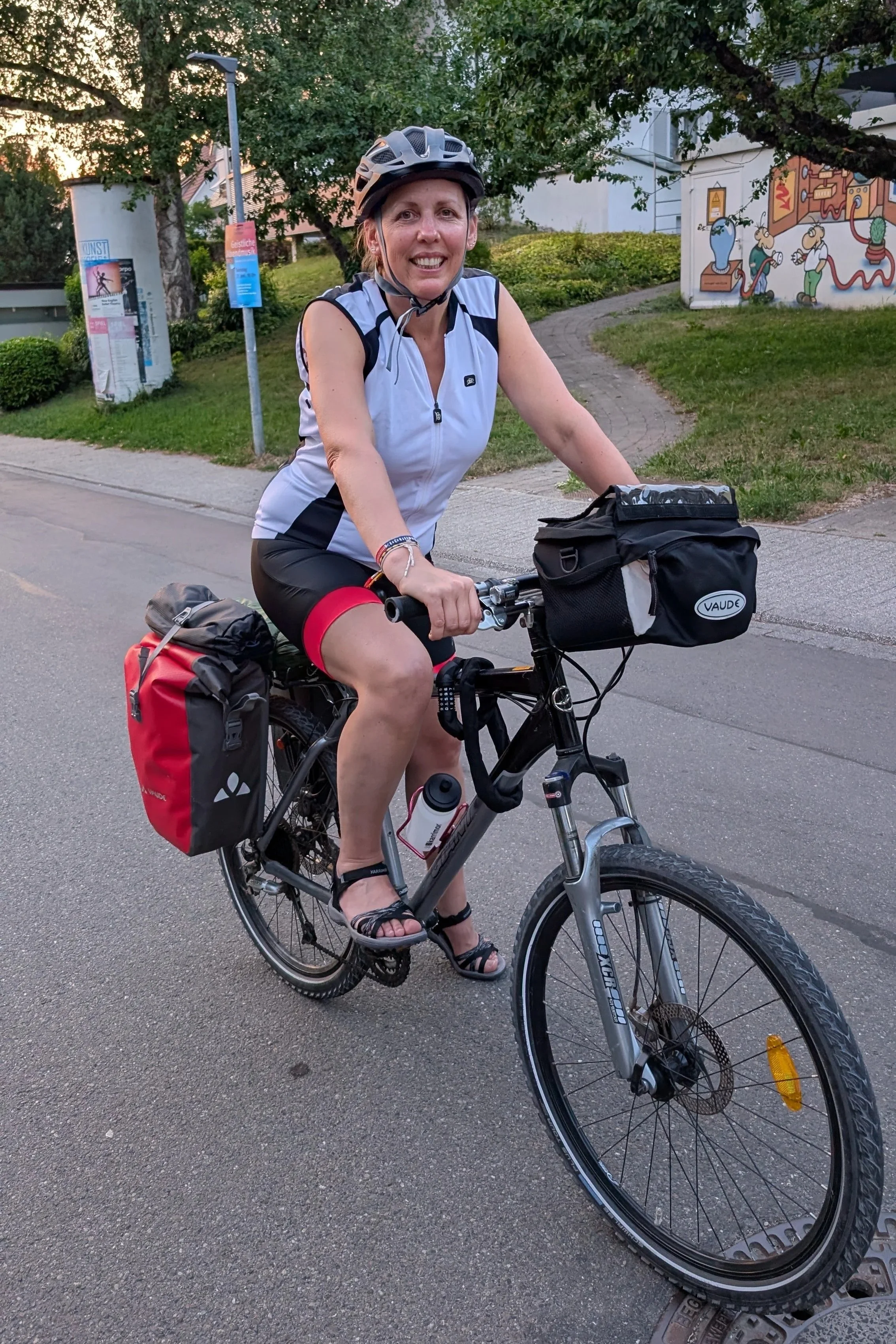
For me, this looks like cycling around Lake Constance — where organised cycling routes mean you're naturally crossing paths with other cyclists — and later, joining guided sightseeing in areas I don't know well. You don't have to be glued to a group. But having one nearby changes the whole feel of a trip.
3. Volunteer
Hands down one of the best things you can do as a solo traveller. There are two types: There is volunteering that you pay for - think working with elephants, saving sea turtles etc. And there is volunteering where you pay nothing and get board and food for free in exchange for your time.
I have two volunteering placements built into this trip. The first is on a farm in South Germany — picking, planting, and helping prepare stock for the local farm shop — where I'll be working alongside my daughter, who is volunteering her way around European farms to get experience for her Agriculture degree. The second is in Poland, teaching English, where I'll be joined by my other child.
Both placements give me free board and food, immediate community, a sense of purpose, and help with local sightseeing. I arrive somewhere completely new and I'm instantly around people with a shared experience. The loneliness question doesn't even get a chance to form.
Good places to find volunteering opportunities include Workaway, WWOOF and HelpX — worth looking at if this appeals.
4. House sit
For the quieter stretches — when you want to slow down, save money, and actually have space to think — house sitting is brilliant.
I have a house sit lined up in Germany where I'm planning to make serious progress on my memoir. Free accommodation, a proper base, and enough solitude to concentrate. You get the peace of having your own space without the cost of a hotel, and without the slight chaos of a hostel.
Try Trusted Housesitters to get started.
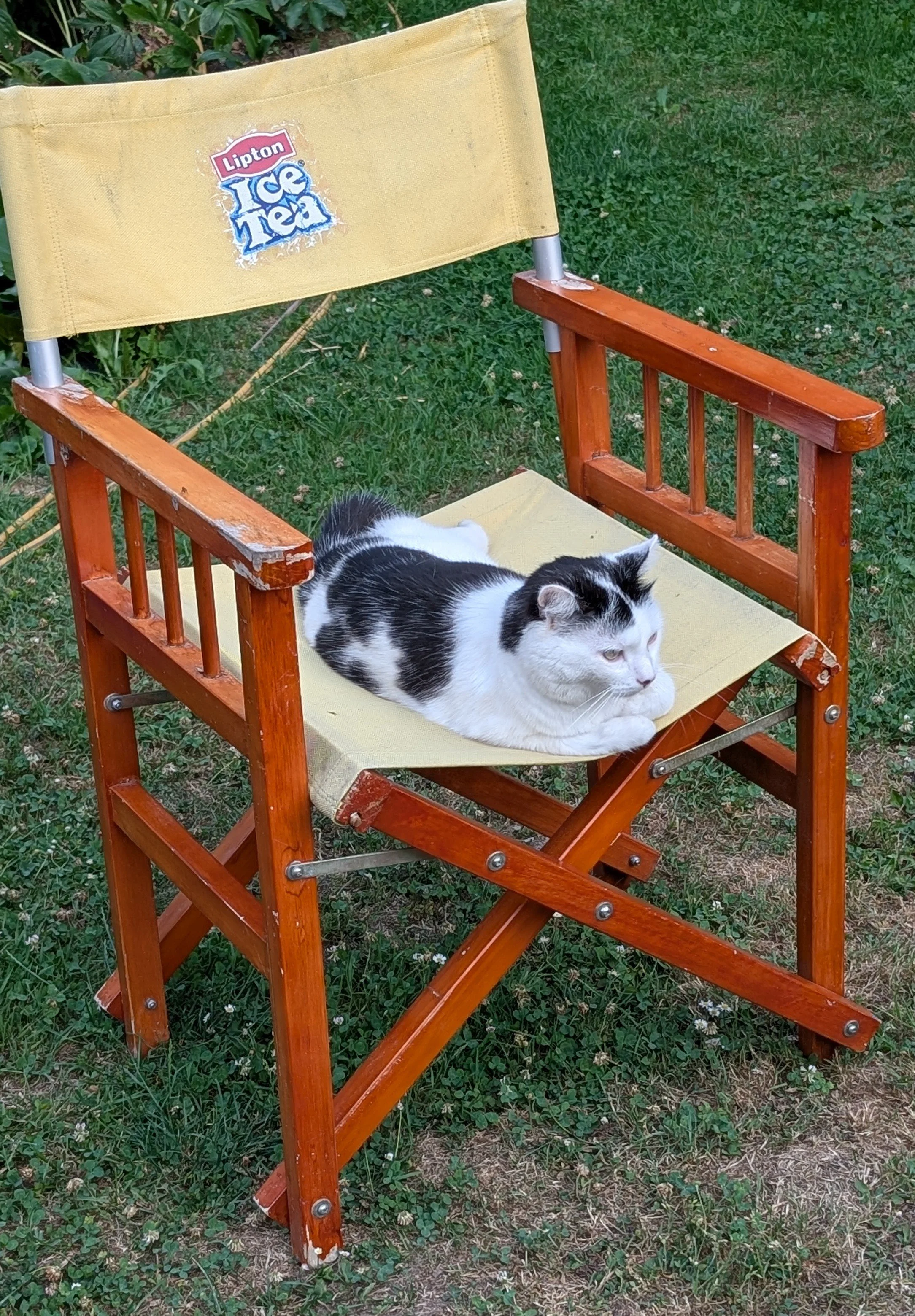
In July I’ll be looking after a couple of cats - including Patches (photo on the left)
5. Weave friends and family in along the way
Solo travel doesn't mean cutting yourself off from everyone you know. It just means you're in charge of the itinerary.
I have friends dotted across Europe and I've deliberately planned my route around them. A friend in Munich, another in Kitzbühel, family in Germany. These aren't detours — they're built into the trip as natural punctuation marks. A few days catching up, then back on the road feeling refreshed and reconnected.
If you have friends or family living abroad, use them. Most people are genuinely delighted to have a visitor and it costs you nothing but the travel to get there.
6. Embrace slow travel
Slow travel means staying somewhere long enough to actually feel it. Finding your favourite café. Knowing which market opens on a Thursday. Feeling, temporarily, like you belong somewhere rather than just passing through.
It also means you're not permanently exhausted, which makes you better company, more open to experiences, and considerably less likely to have a meltdown in a train station over a delayed connection.
Each section of my Europe trip has proper time built in. A week cycling, a few weeks volunteering, a house sit. I'm not rushing anywhere. And because I'm not rushing, I'm actually enjoying it.
7. Leave room for the unplanned bits
After all of the above — the family, the volunteering, the house sitting, the friends — I'm ending the summer in the Balkans with no plan whatsoever.
Albania has been on my list for a while. Beyond that, I have no idea. And after months of structure, that feels exactly right.
The unplanned bits of a trip are often the best bits. But they're much easier to enjoy when you've built enough connection and security into everything around them.
The honest truth about solo travel
Am I nervous about this trip? Yes, genuinely — particularly about cycling solo around Lake Constance for a week with a loaded bike and a tendency to overthink things.
But I'm also really excited. Because I've learned that solo travel, structured this way, isn't really about being alone at all.
It's about being free to design your own life — and occasionally asking your sister if you can borrow her bike.
If this kind of trip sounds appealing but you're not quite sure where to start, sign up on the home page for my free PDF of the top 5 destinations for first time solo travellers over 50. No faff, no spam — just five genuinely great places to begin. 🌍