Most people imagine travelling around Europe means expensive hotels, restaurant meals every night, costly excursions and expensive trains and taxis.
The reality for me at the moment is very different. I'm currently travelling around Europe for less than many people spend staying at home.
That doesn't mean I'm roughing it or living off beans on toast. Instead, I've worked out how to budget and where I want to spend my money to enjoy the experience. It can take a bit of planning sometimes, but travelling alone means I have time for that. It also gives me something constructive to do and an excuse to talk to other travellers and raid their knowledge.
So here's what's actually working for me so far:
1. Mix your transport and don't be loyal to anything
I keep a running list of transport apps, and it changes depending on which country I'm in.
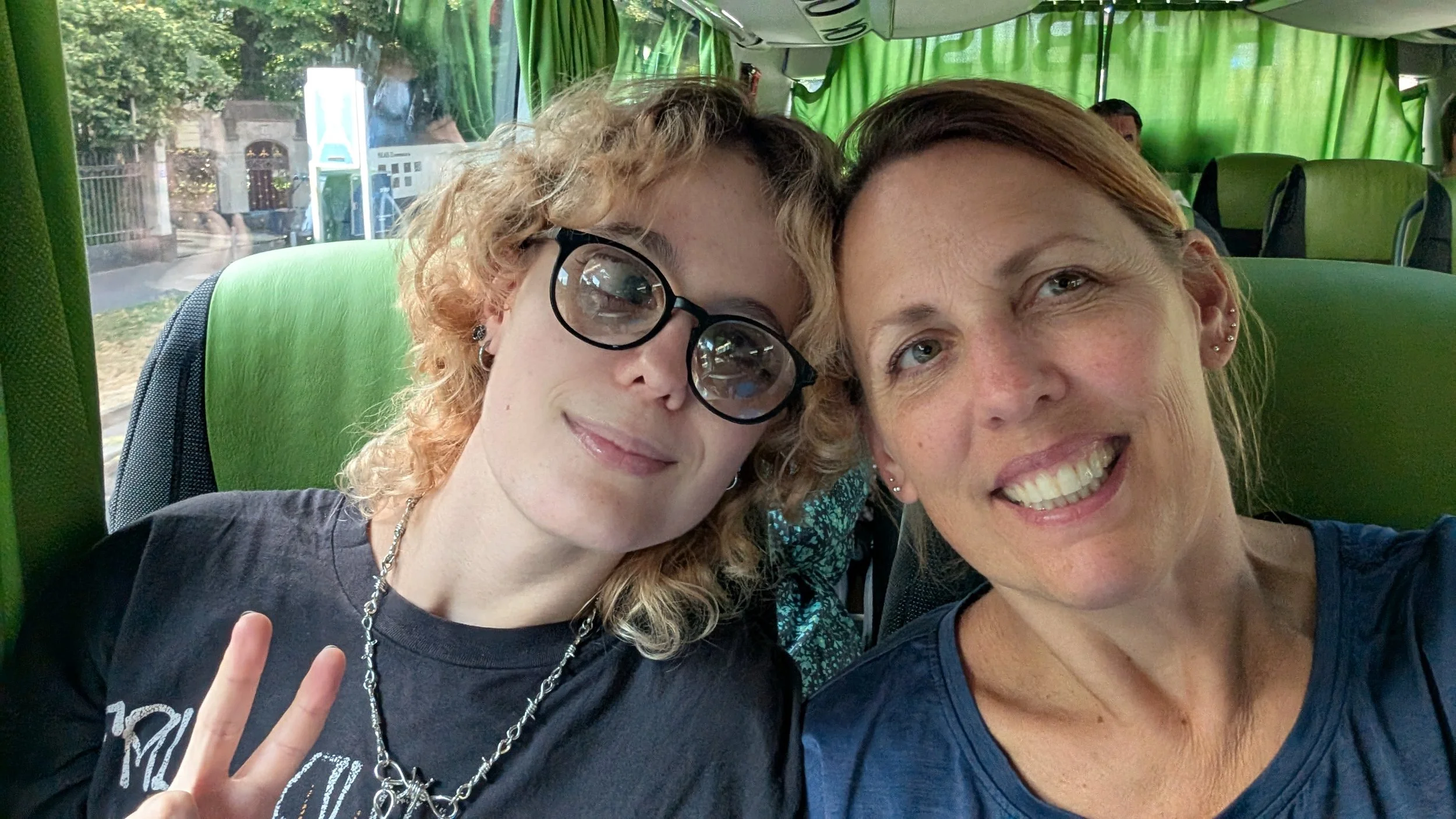
Recently I needed to get from Southern Germany to Frankfurt to collect my child (Raven) — who is joining me for a few weeks — before continuing on to Poland. The Deutsche Bahn app, which covers all trains and buses in Germany, quoted me between £65 and £80 just for that leg. FlixBus was cheaper but it was a 13-hour overnight journey for what should be a four-hour trip. I declined that particular adventure.
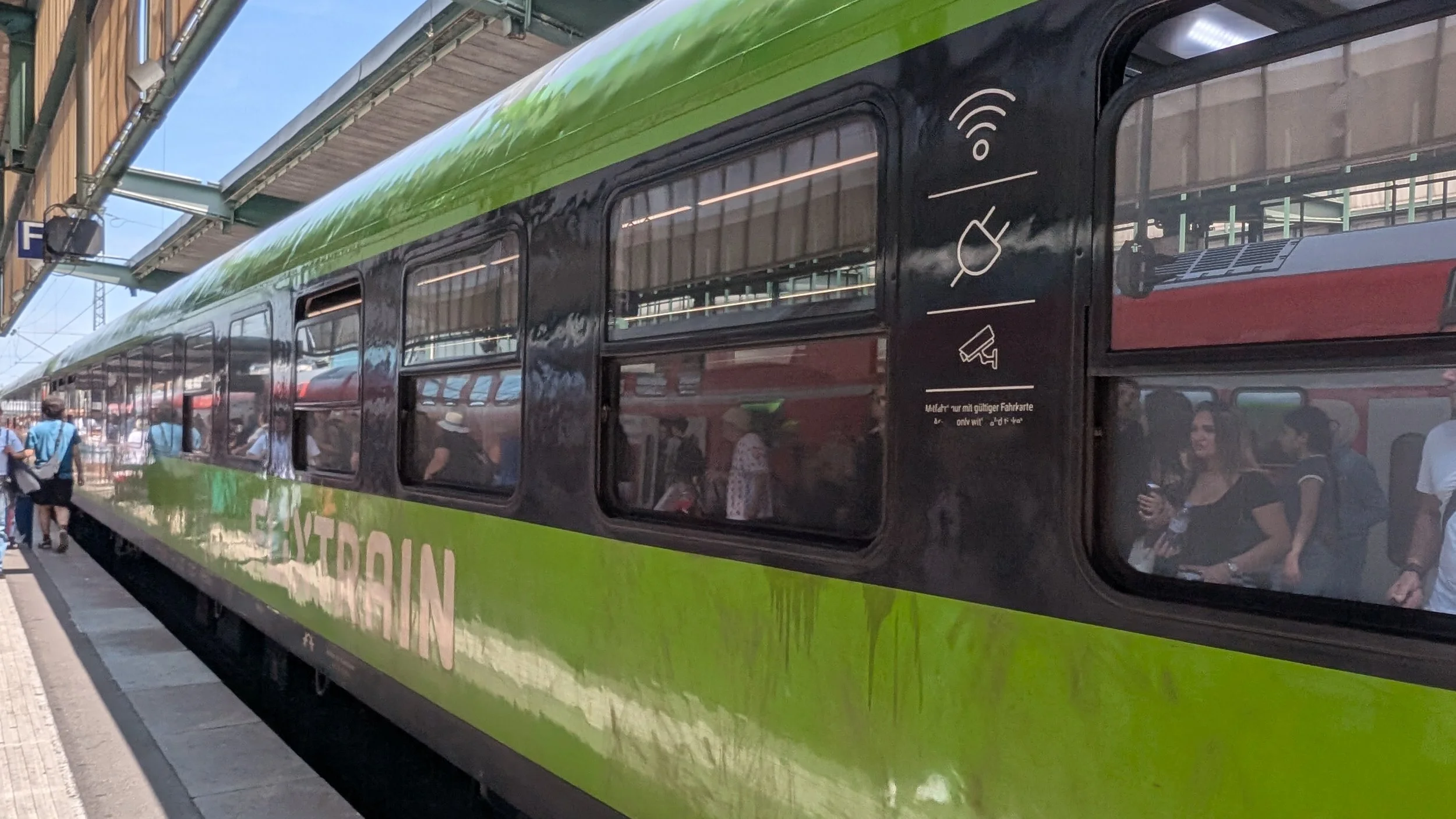
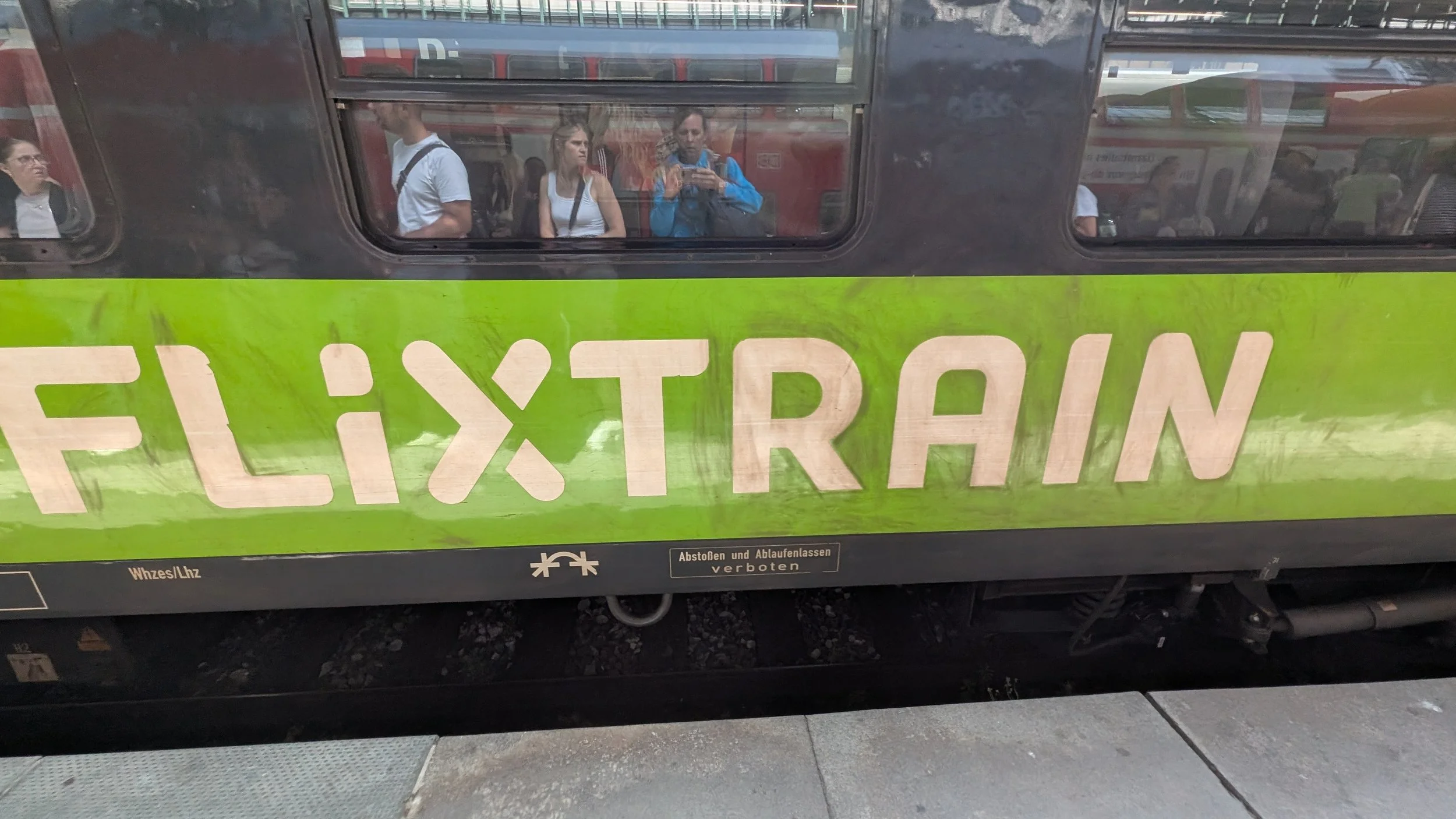
In the end I did it in stages — a local train to Friedrichshafen, another to Stuttgart, then a FlixTrain to Frankfurt. I hadn't heard of FlixTrain before that day but it's now firmly on my transport list and cost roughly half the price of the regular train.
The lesson for me here was to check several apps and be flexible about combinations.
I also looked at car sharing, BlaBlaCar is worth knowing about — very cheap, but drivers often don't post their rides until the day before, and you need to reach their pick-up point, which isn't always straightforward. This is fine for flexible days, but less ideal when you have a FlixBus to catch at 5pm.
2. Rethink where you sleep
Hotels are lovely. They're also expensive, and nobody talks to you in them.
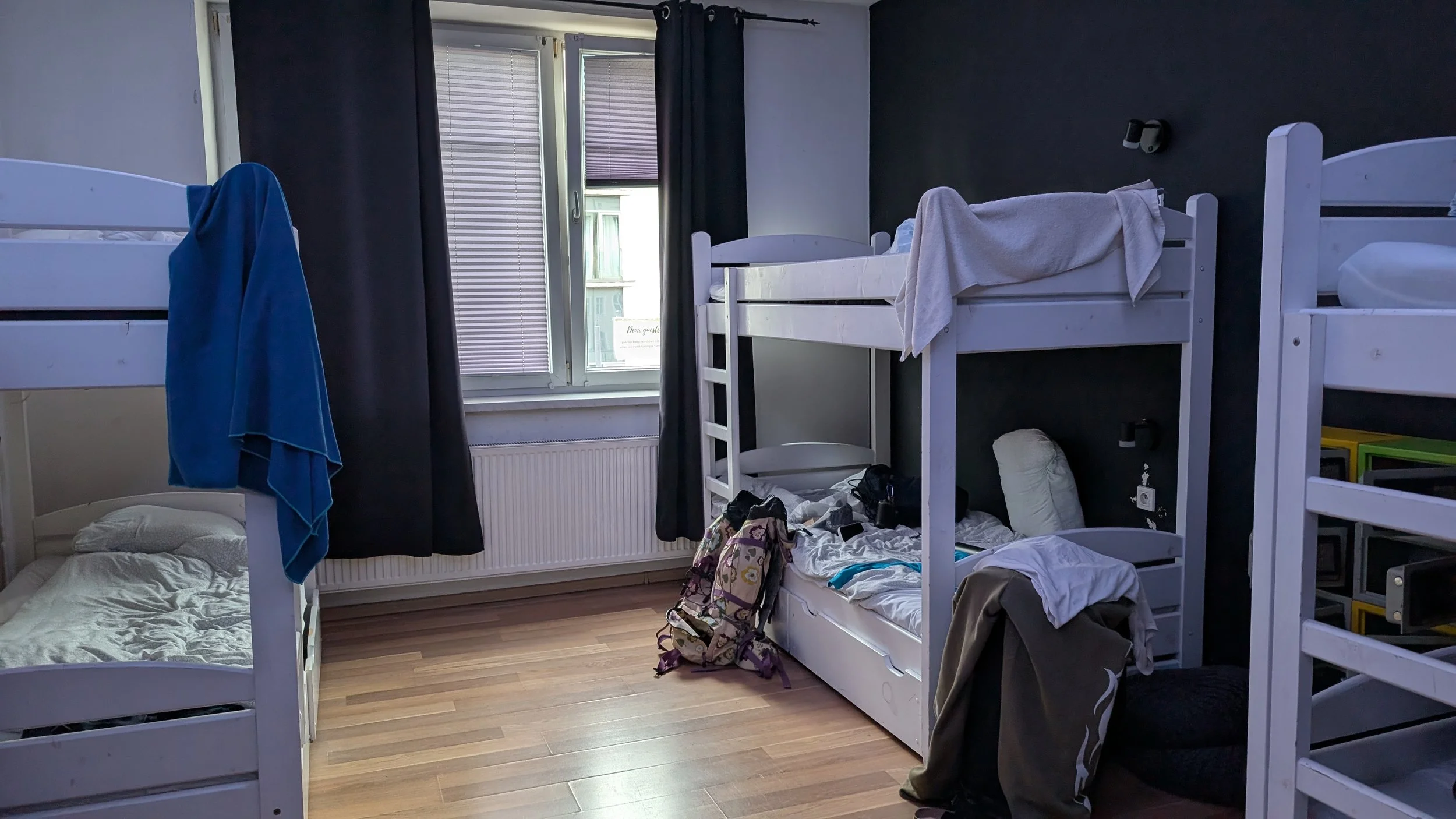
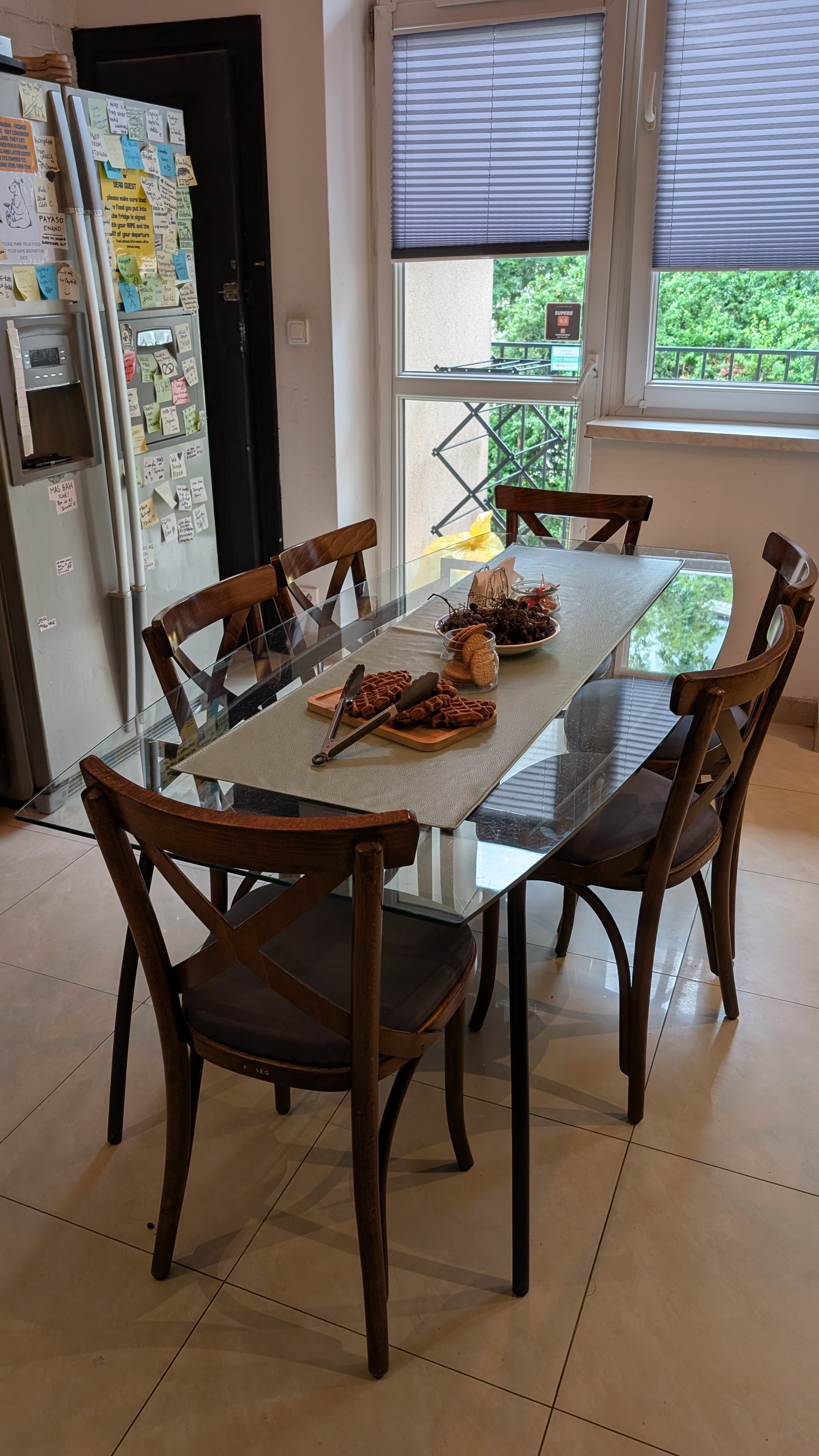
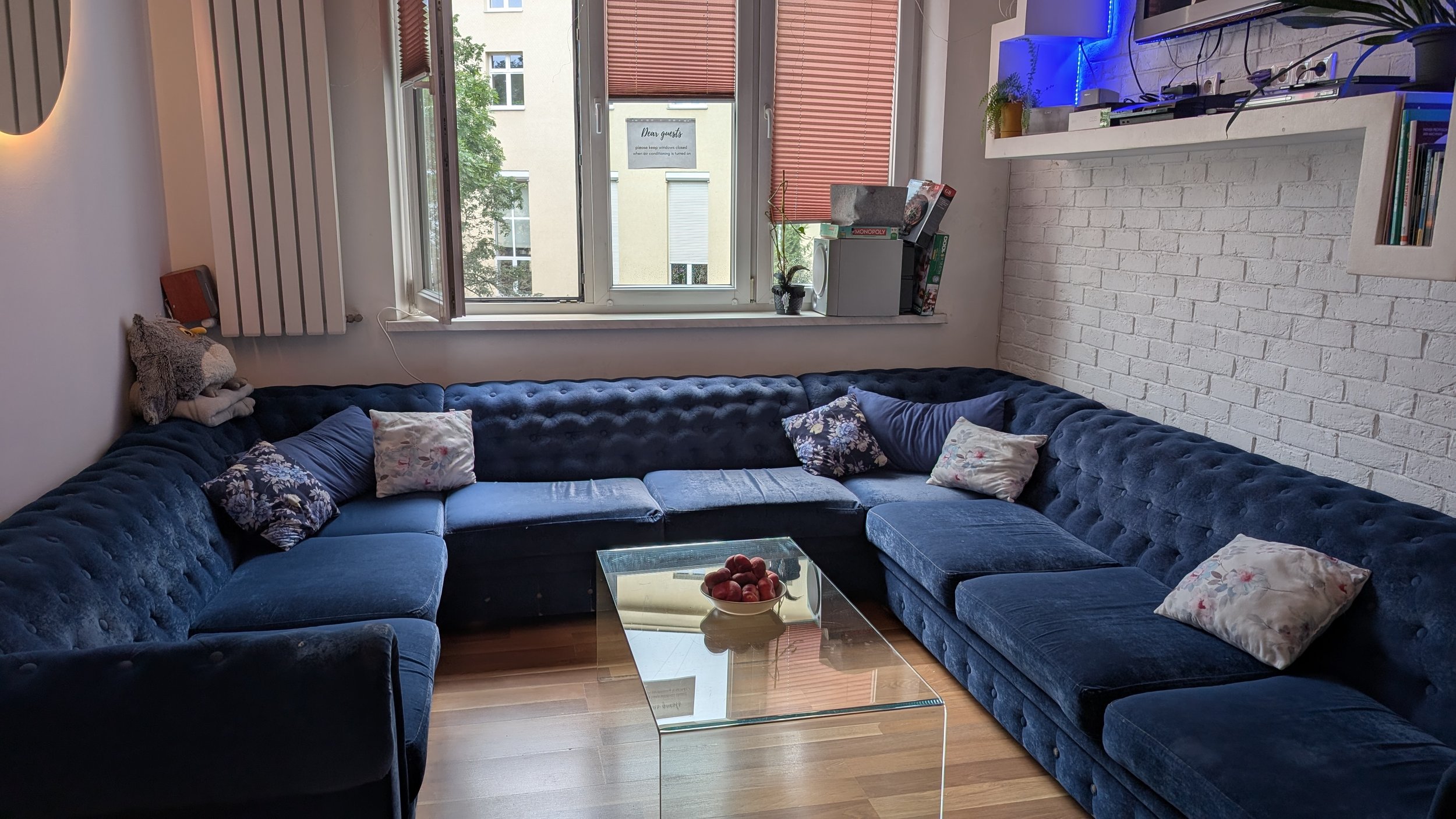
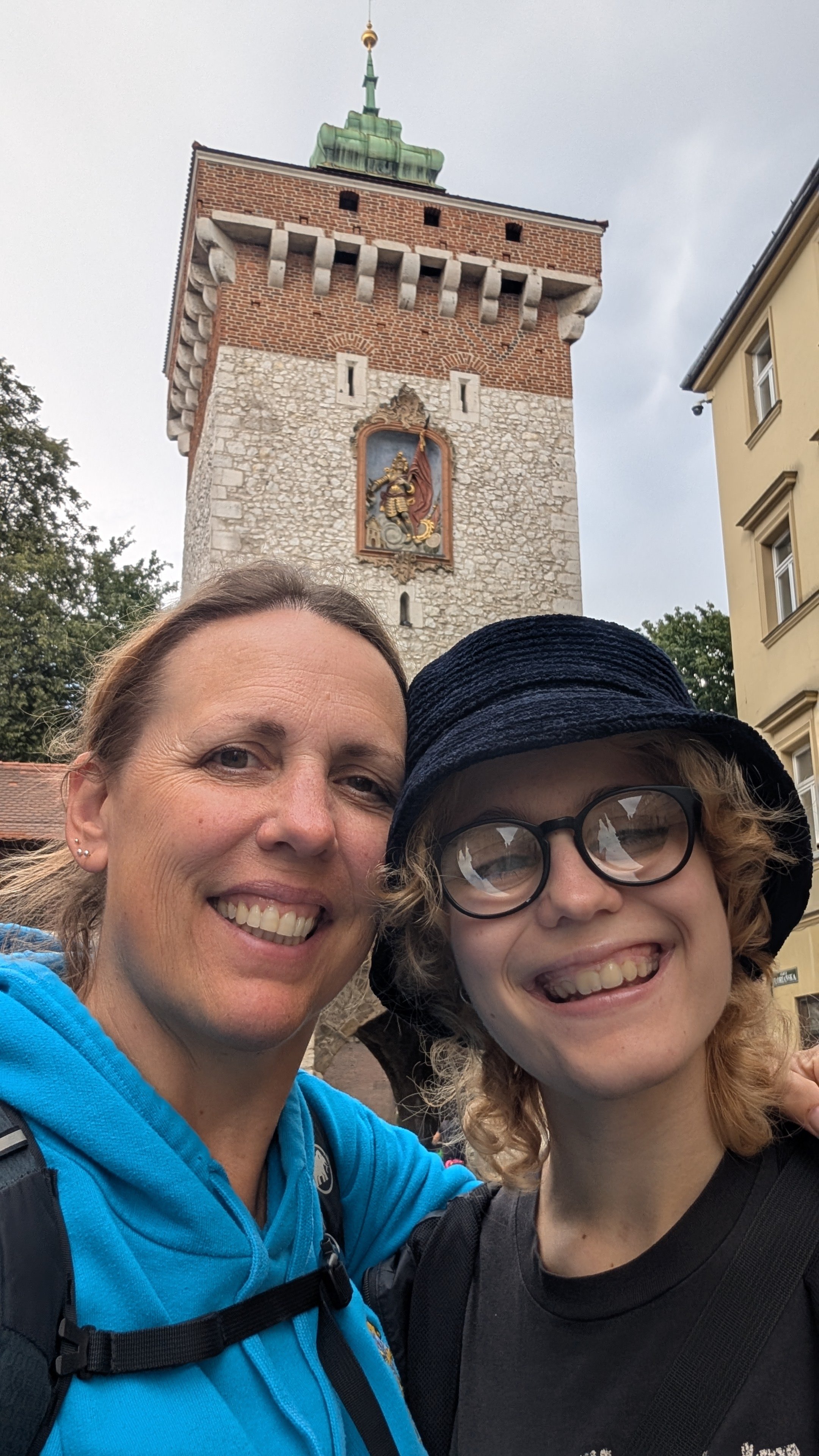
Raven and I arrived at a hostel in Kraków this morning and were offered free breakfast on arrival, despite not being able to check in until 2pm. Within an hour, over breakfast, we’d met seven other travellers and chatted to two members of staff who gave us local tips we wouldn't have found in any guidebook. You cannot replicate that in a hotel corridor.
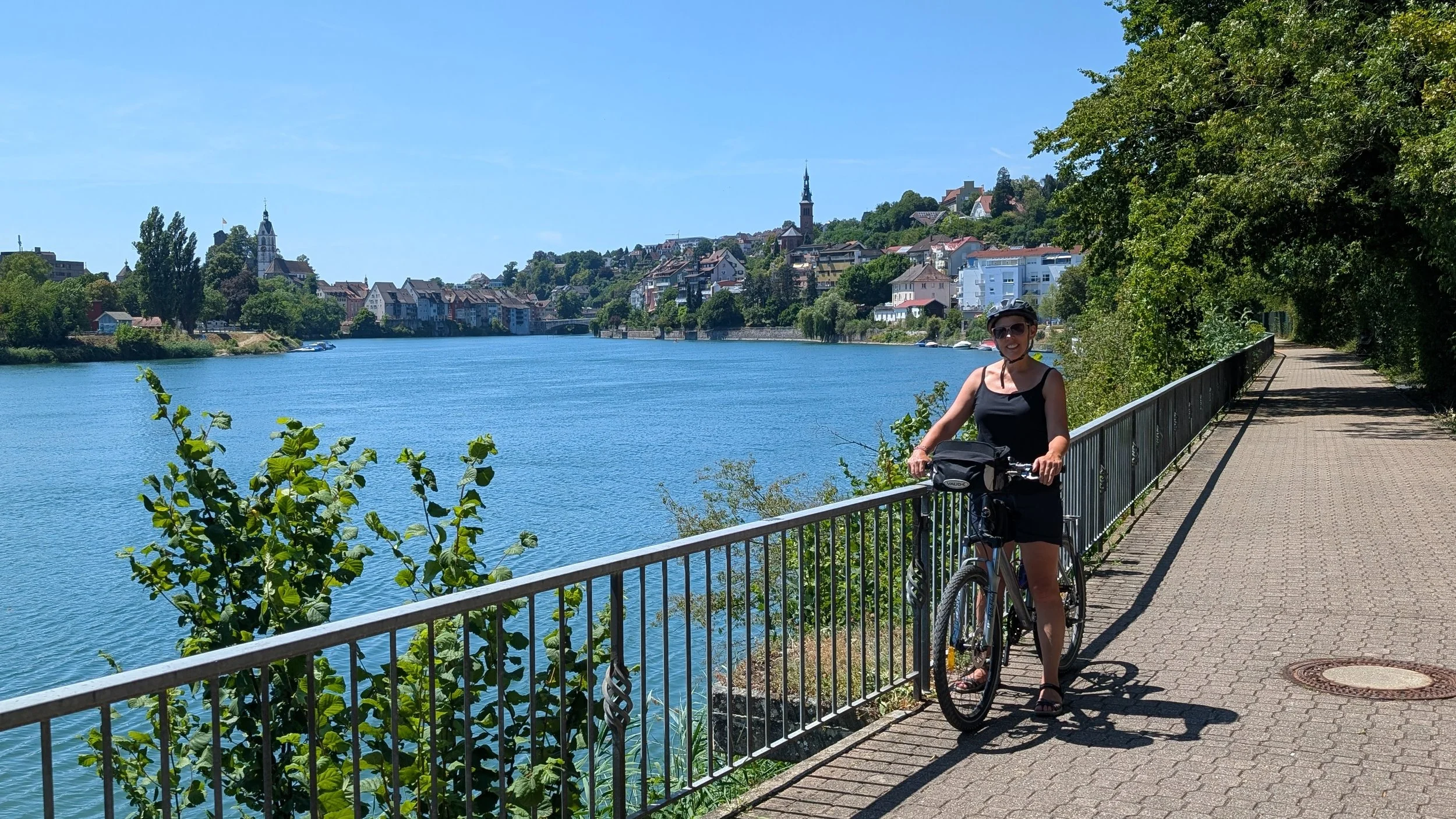
I've also been cycling and camping around Lake Constance recently, which was considerably cheaper than staying in hotels. It was also during a heatwave, so sleeping under canvas was great. The campsites had swimming pools, cafés, bathroom facilities cleaner than most houses I've been in, and amazing sunsets. I paid roughly €15 to €25 a night and woke up to the song of lakeside birds every morning.
Beyond that, I've been mixing in:
Staying with family, which is not cheating, it’s just being sensible. If someone you know has a spare room in an interesting place, why not visit them and make the most of it? But don’t overstay your welcome.
WWOOFing for two weeks on an organic farm in exchange for five hours of daily farm work. Free organic food, free accommodation, meeting genuinely lovely people, and gaining a new appreciation for how much effort goes into planting and harvesting organic vegetables. The cucumbers nearly destroyed me but the rest was wonderful.
Teaching English — from this weekend I'm volunteering to teach English in Kraków and then Warsaw in exchange for accommodation in what I'm told are rather nice hotels. I’m hoping this will be an excellent deal for me as I get to spend time with Raven, meet various Polish professionals, enjoy lovely food and accommodation and utilise my TEFL qualification that I gained last year.
House sitting — I have three weeks lined up looking after cats at Lake Constance in a prime tourist area. Free accommodation. Cats. Lake views. I've had worse arrangements.
These ideas won’t suit everyone. But if any of them mean the difference between being able to travel and not travelling at all, they're worth trying.
3. Supermarkets are genuinely your best friend
When I'm not being fed by a farm or a volunteering placement, I enjoy visiting the local supermarkets.
Bakery breakfasts. Picnic lunches. Cooking occasionally in hostel kitchens. Snacks in my bag for long travel days. The food in German supermarkets is better than in England in my opinion and the bakery sections alone could sustain you throughout a short trip.
However, I still make room for the occasional beer, glass of wine, slice of cake or am ice-cream. Especially in Germany, where they take cake extremely seriously. In Krakow I am looking forward to trying the amazing donuts that seem to be everywhere.
4. Slow travel saves more than just money
Racing through ten cities in two weeks is expensive in ways people don't always calculate before they go. More transport. More tourist-priced restaurants because you don't know where the locals eat yet. More stress. And at the end of it, a vague memory of a lot of train stations.
Staying somewhere longer means cheaper transport overall, time to find the good cheap restaurants, and actually getting to know a place rather than photographing it and leaving.
It also means less exhaustion, which seems to creep up more after 50 unfortunately.
5. The cheapest experiences are often the best ones
My highlights from the past few weeks, roughly priced:
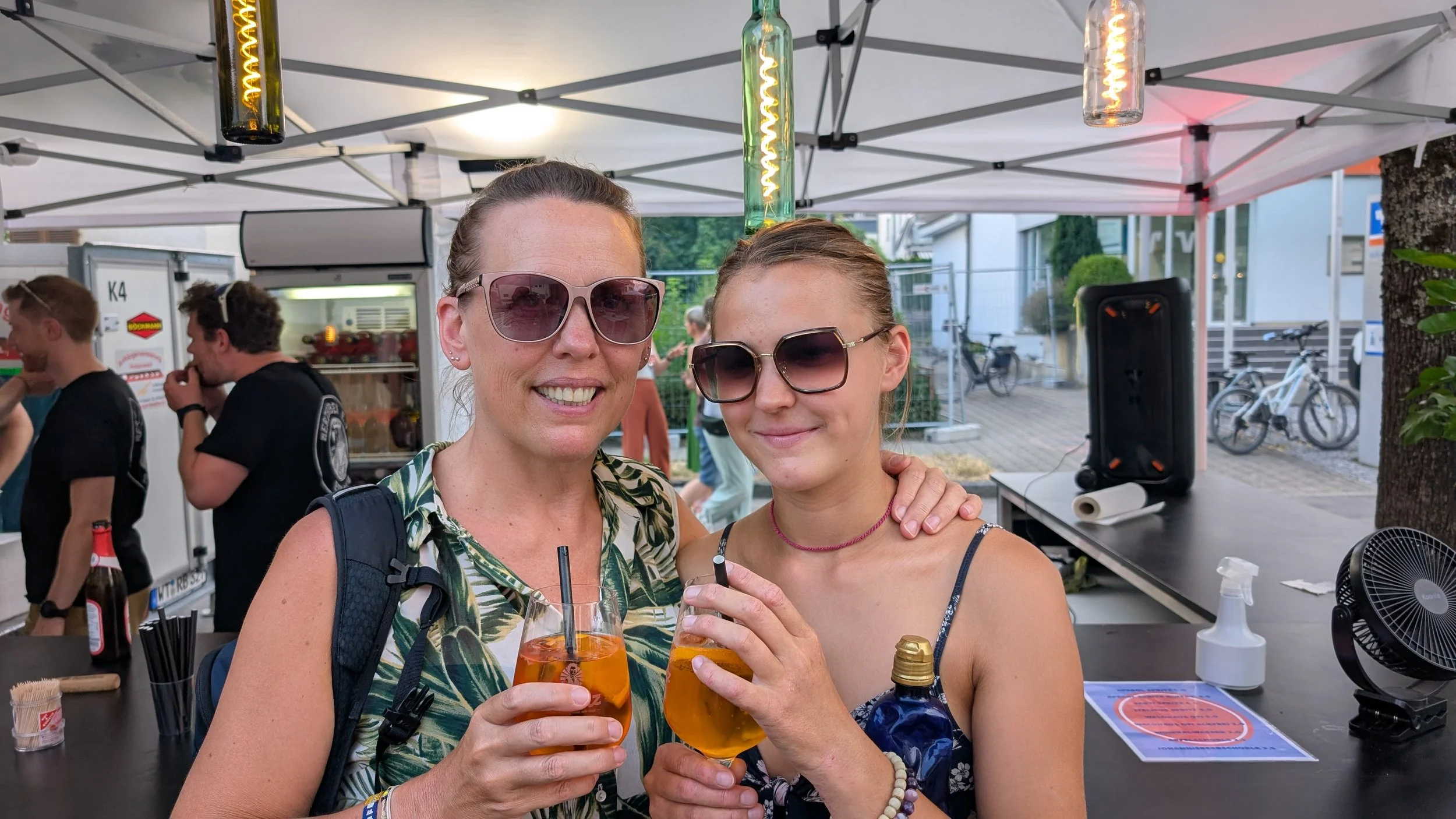
Cycling around Lake Constance was free bar the cost of each campsite. Swimming in the lake was free. Sunrise from my tent, free. Chatting to other cyclists, travellers, and hostel strangers, free. A village festival in rural Germany, free (apart from 6 Euro each for very decent Aperols). Wandering Kraków's Old Town this afternoon, free. Plus free Pierogi tasters in the streets.
The memory of harvesting approximately ten thousand cucumbers in 34°C heat inside a polytunnel was also free, and unfortunately unforgettable.
The things I've paid for have been transport and the occasional meal out. The things I'll actually remember have mostly cost nothing.
6. The real mindset shift
The biggest change to make when travelling isn't about apps or hostels or supermarket bakeries. It's stopping trying to travel like you're on a 7 day holiday.
When you're away for weeks or months, you don't need every day packed with paid attractions and restaurant dinners. Some of my favourite days have involved cycling beside a lake, reading in a park, or sitting in a hostel common room talking to people from countries I've never been to.
And budget travel isn't about saying no to experiences. I still have plenty of those, but I’ve learned to say no to spending money on things that don't actually make the experience any better.
I'd much rather spend £40 getting to somewhere new than £40 on a hotel breakfast I'll have forgotten by lunchtime.
And that’s the shift. Once it clicks, it changes everything.