"You're So Brave!" – The Fear We've Been Sold - Part One
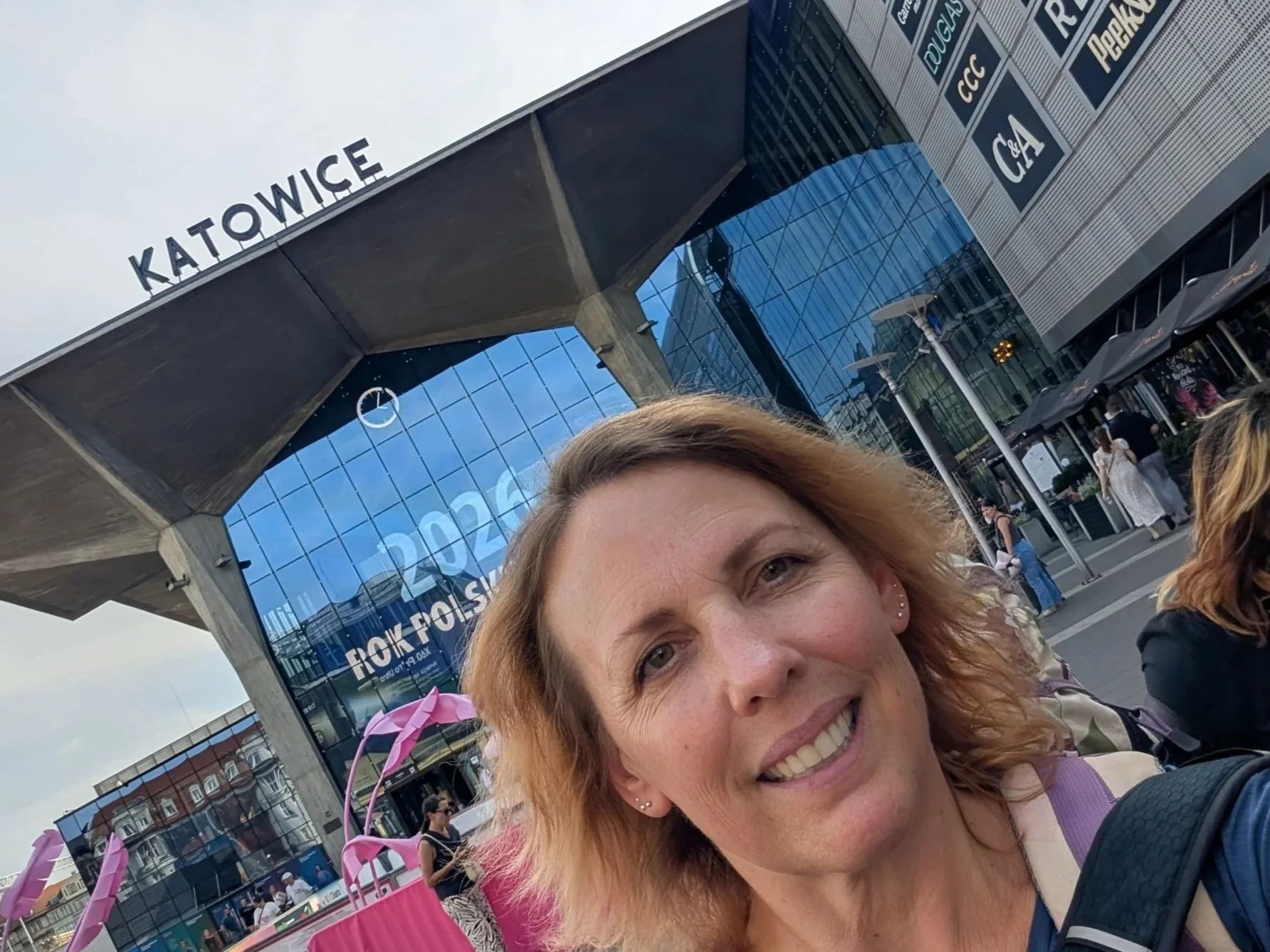
"You're travelling on your own? Really? Oh, you're so brave!"
I hear it constantly. Sometimes it's genuine admiration. Sometimes it's barely concealed horror, as though I've casually mentioned I'm heading straight into a war zone rather than catching a bus to the next town.
But I don't feel brave. Not even slightly. And I'm certainly not fearless. I don't wander into dodgy situations for the thrill of it. I just travel — the same way millions of women do every single day, without anything dramatic happening at all.
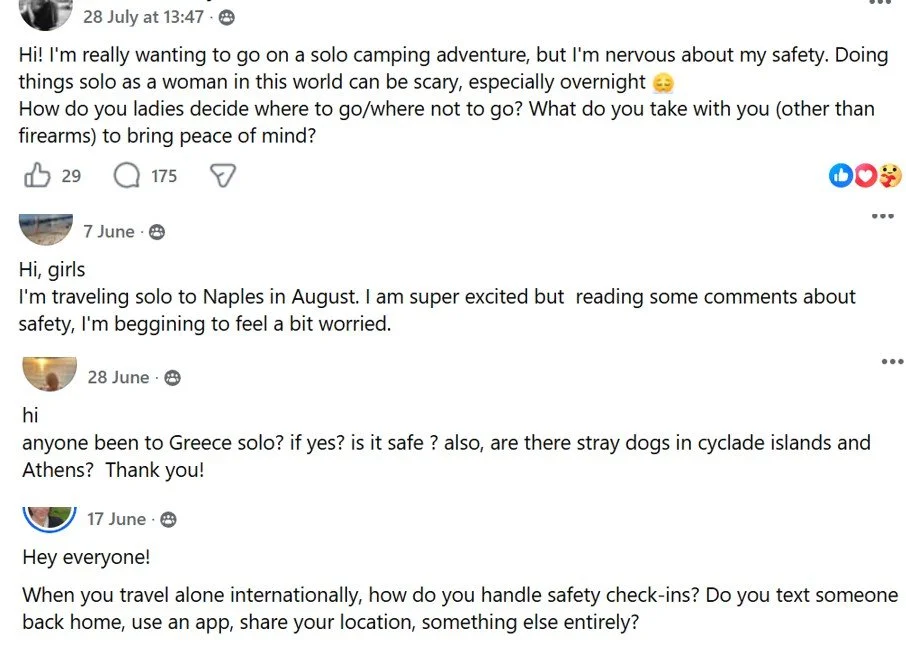
And yet the narrative sold to us about solo female travel would have you believe it's basically a survival exercise.
Spend any time in Facebook travel groups and you'll see exactly what I mean.
"Is it safe for a woman alone?"
"What do you carry to protect yourself?" (almost always from American members)
"Has anyone been attacked there?"
"How do you stay safe travelling solo?"
Some companies selling women-only tours actively build their entire marketing around the idea that independent travel is simply too dangerous. And I understand why — it's because fear sells. But I don't think it reflects reality. Not from my own experiences, and not from the actual statistics either.
Social media is making us scared.
It has an unfortunate habit of making rare events feel like everyday ones. One woman gets her bag stolen in Italy and thousands of people read about it. Someone has a frightening encounter in Thailand, and the story spreads for weeks. Not because these things are common, but because they're unusual enough to be newsworthy.
What we never hear about are the millions of women who travel every year and come home with nothing more dramatic than a delayed flight and an overdose of local wine.
Nobody posts: "Today I caught three buses, checked into my hostel, had a lovely dinner with strangers I met on a walking tour, and went to bed. Absolutely nothing happened."
But that's what most days of solo travel look like. Including mine.
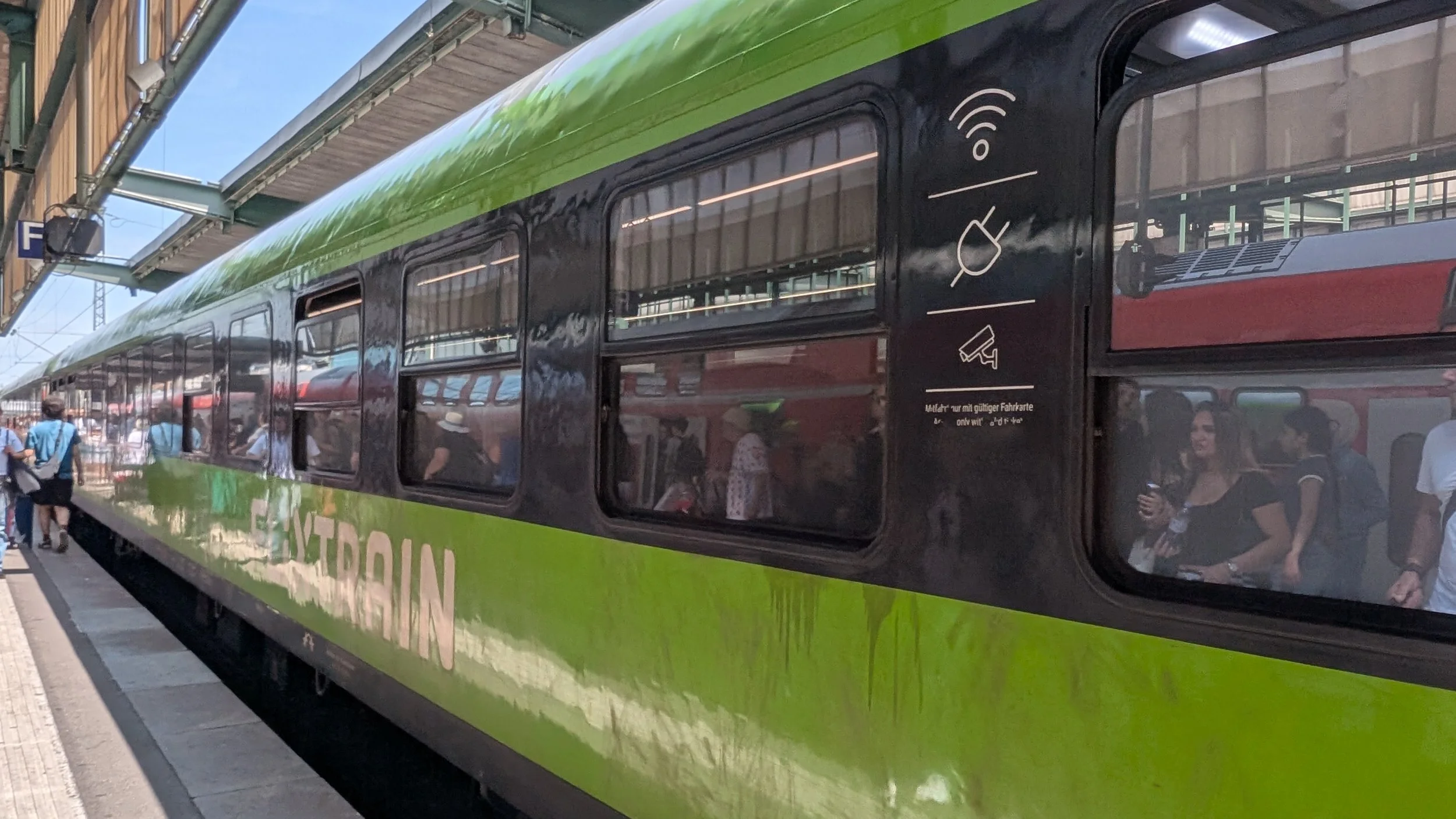
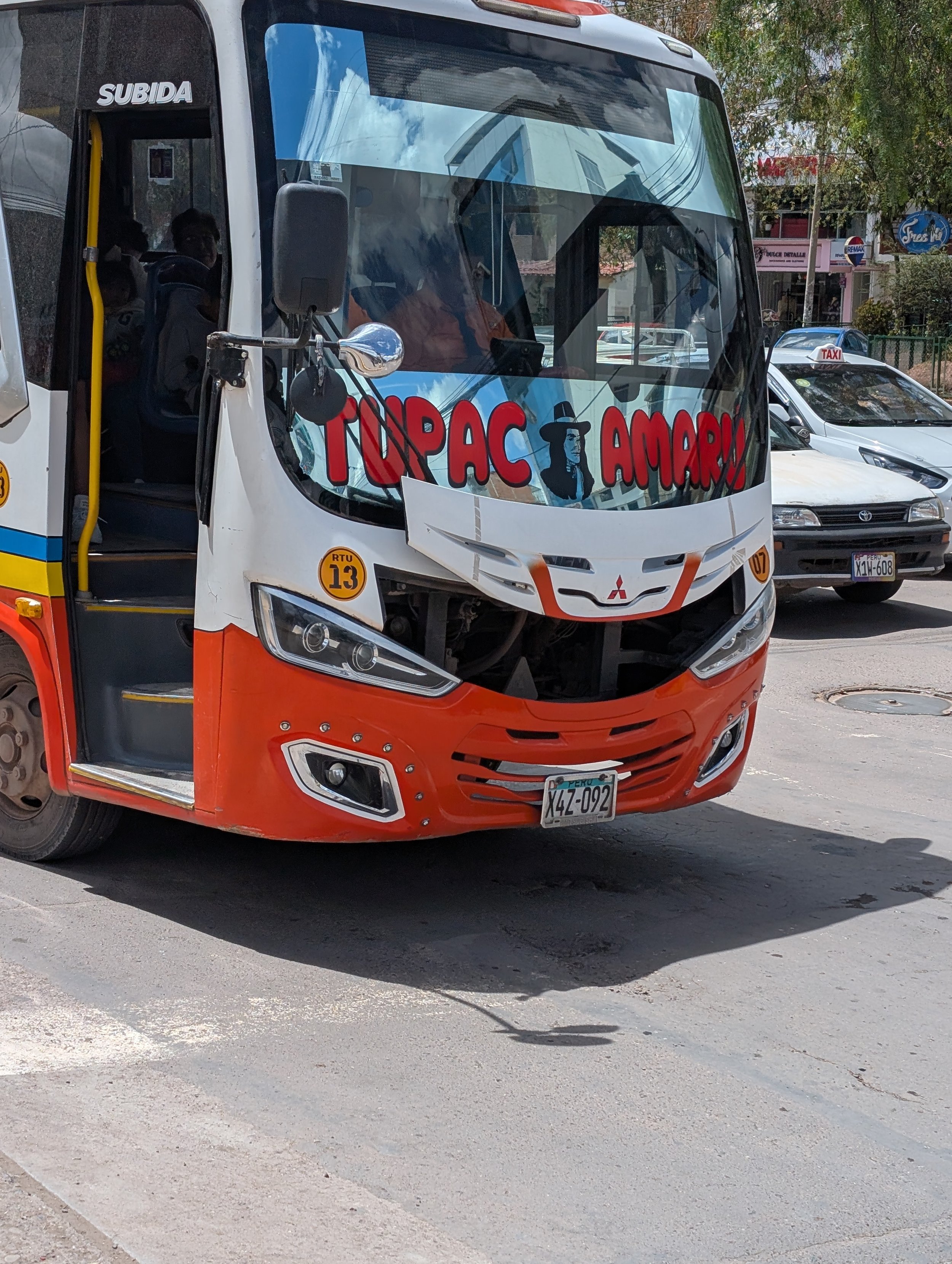
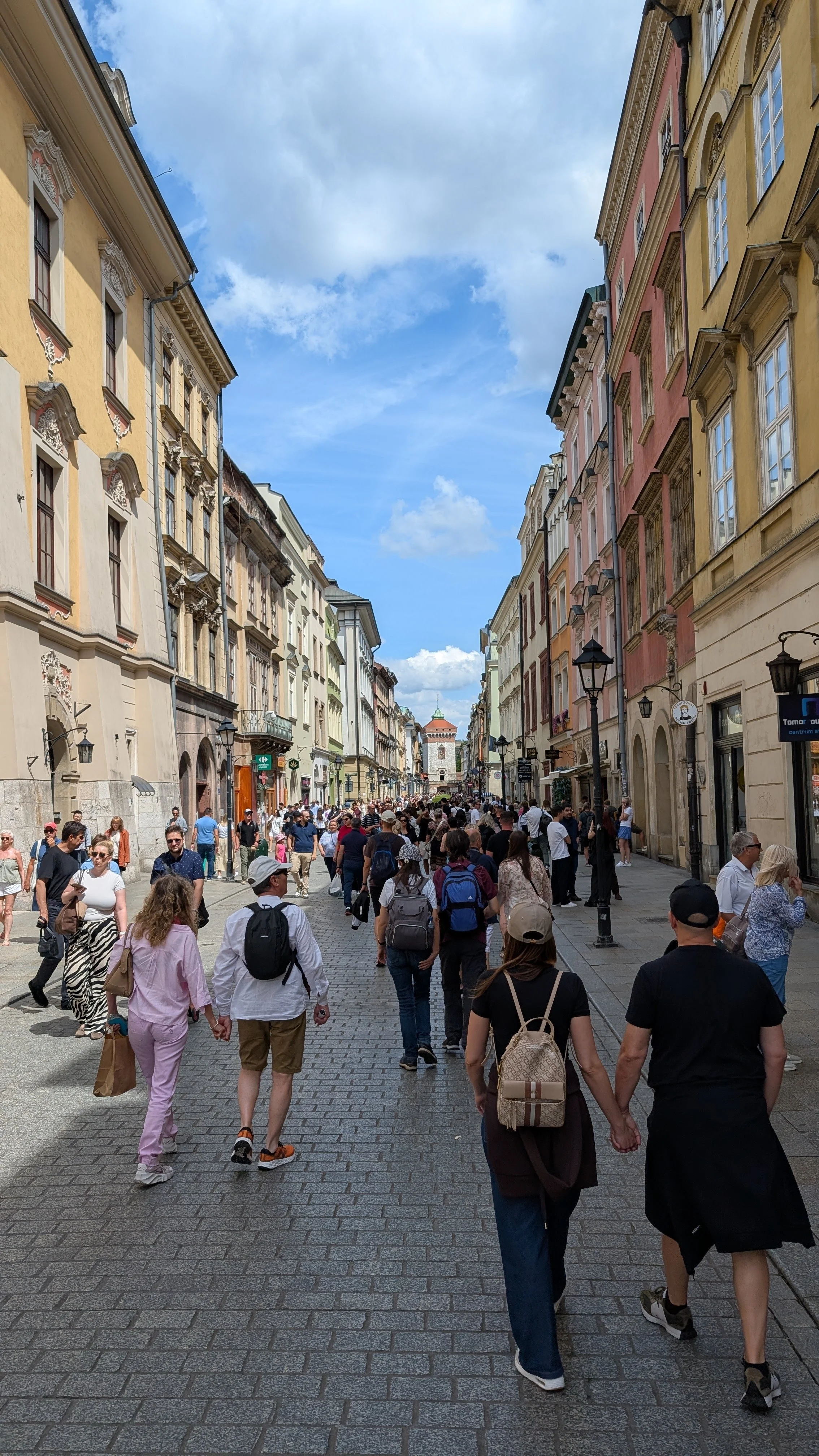
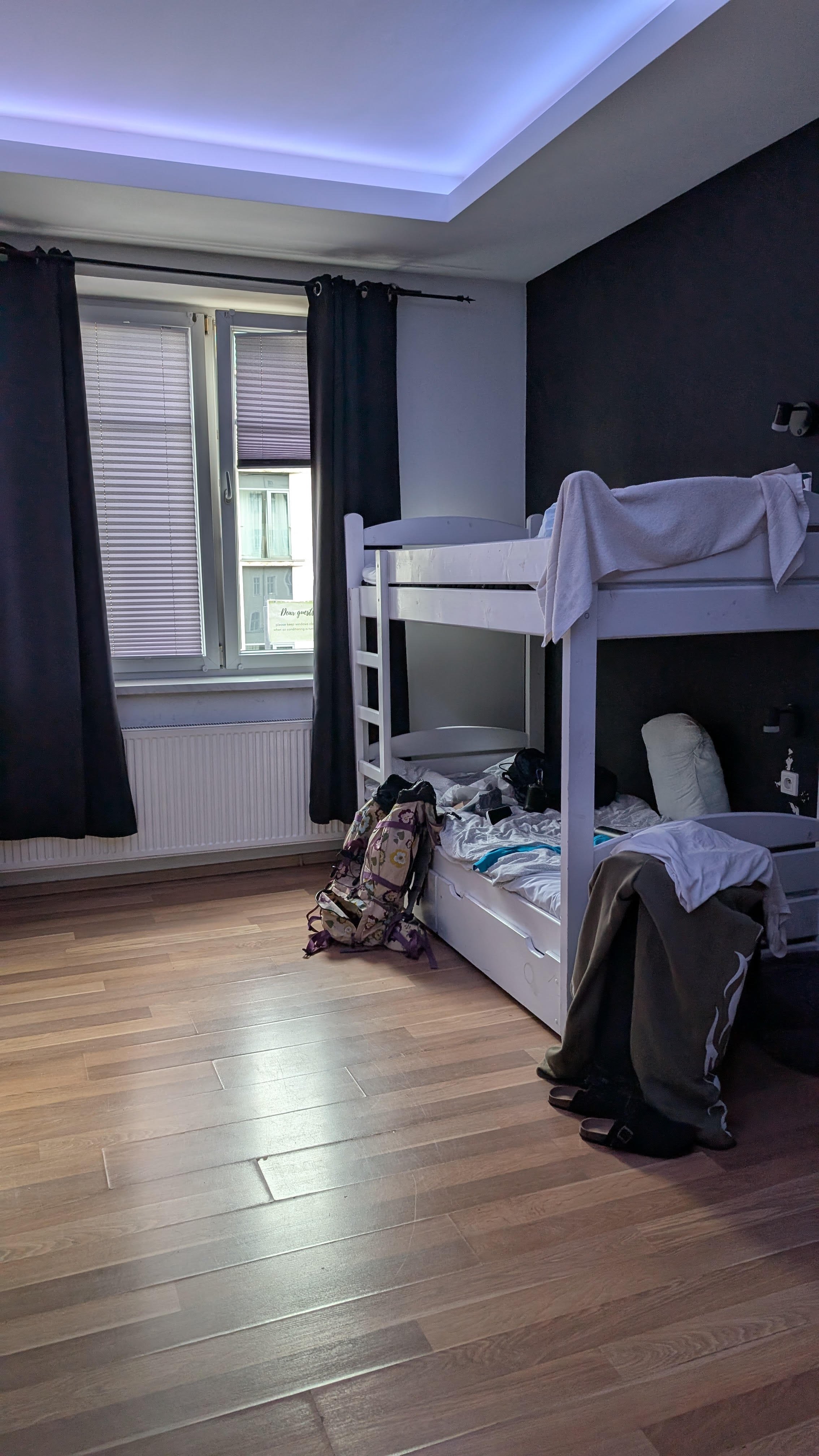
And I'm aware that I'm sometimes part of this problem myself. When I write updates about my travels, I tend to write about the things that went wrong — the ski course that ended abruptly and cost me thousands, the overnight bus I described as rattling around in a biscuit tin for fifteen hours. Because I know that's more interesting to read than "the course got cancelled but I'll just do it another time" or "I got on the bus and arrived safely." That’s because drama gets clicks and normal days don't.
But normal days are what's actually happening. For almost all of us, almost all of the time. The statistics aren't saying what you think they're saying and I think that’s really important to realise, because it changes everything. When people share alarming statistics about violence against women, those statistics are real and they do matter. But they are almost never talking about solo female travellers.
The WHO is clear on this: around one in three women worldwide experience physical or sexual violence in their lifetime, and the vast majority of that violence is committed by an intimate partner or someone the victim already knows. Not by a stranger. Not while sightseeing.
And that's the difference.
A woman travelling solo through Europe or South America is not living with an abusive partner. She's not embedded in a local community where those domestic dynamics exist. She's moving through places, staying in hostels, joining tours, eating in cafés, meeting fellow travellers. The circumstances that drive most of the world's statistics on violence against women simply don't apply to her situation in the same way.
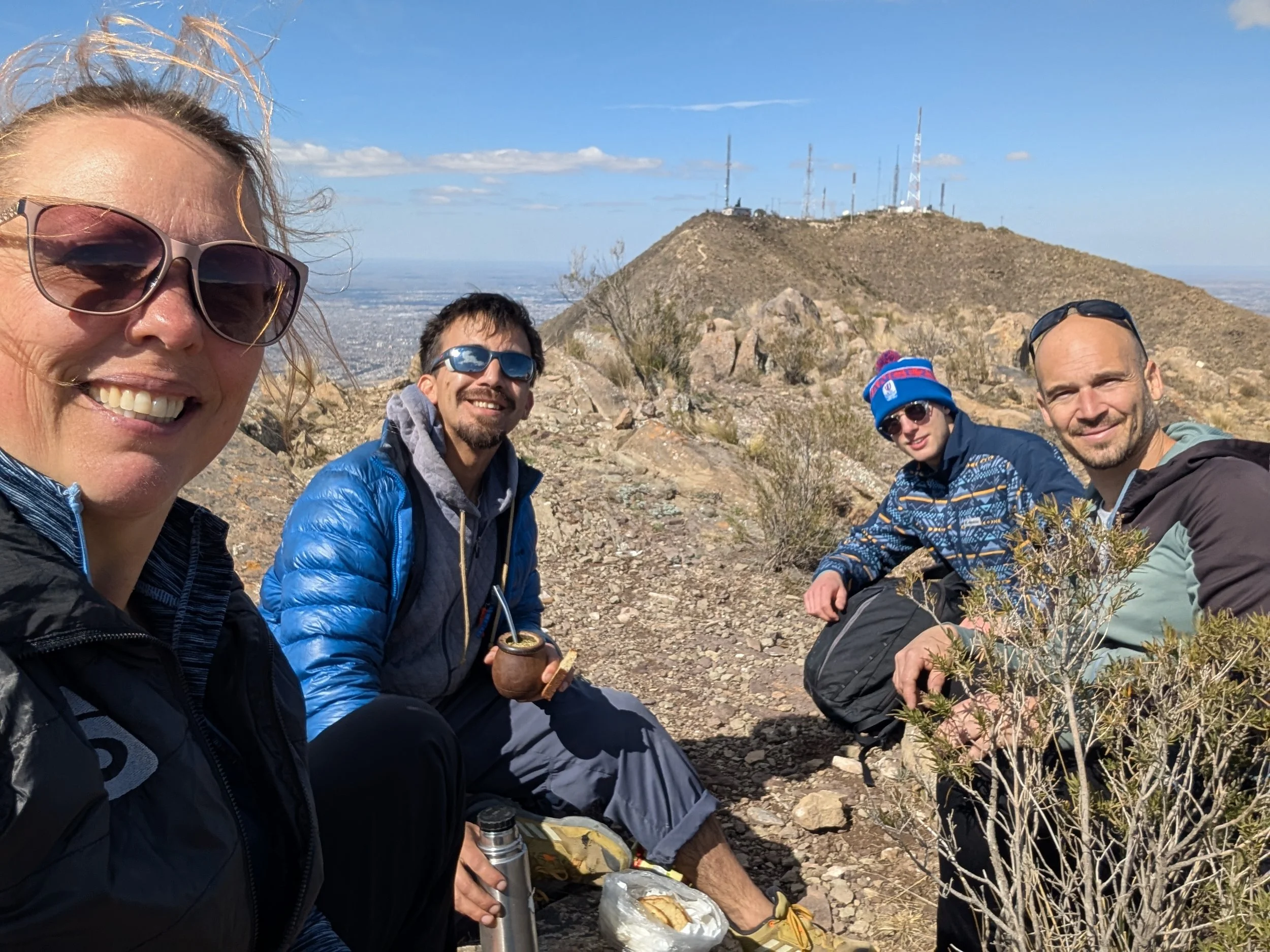
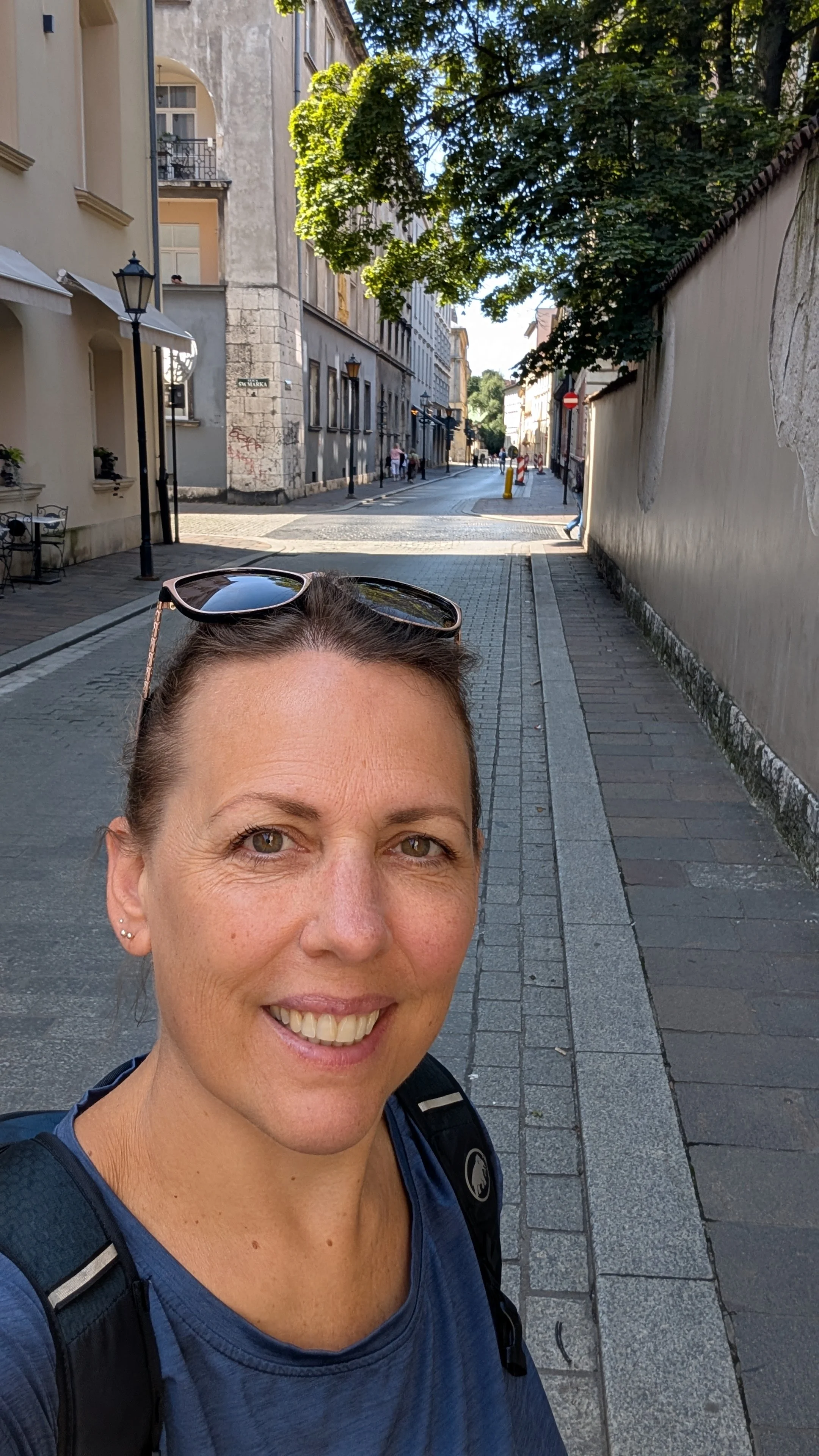
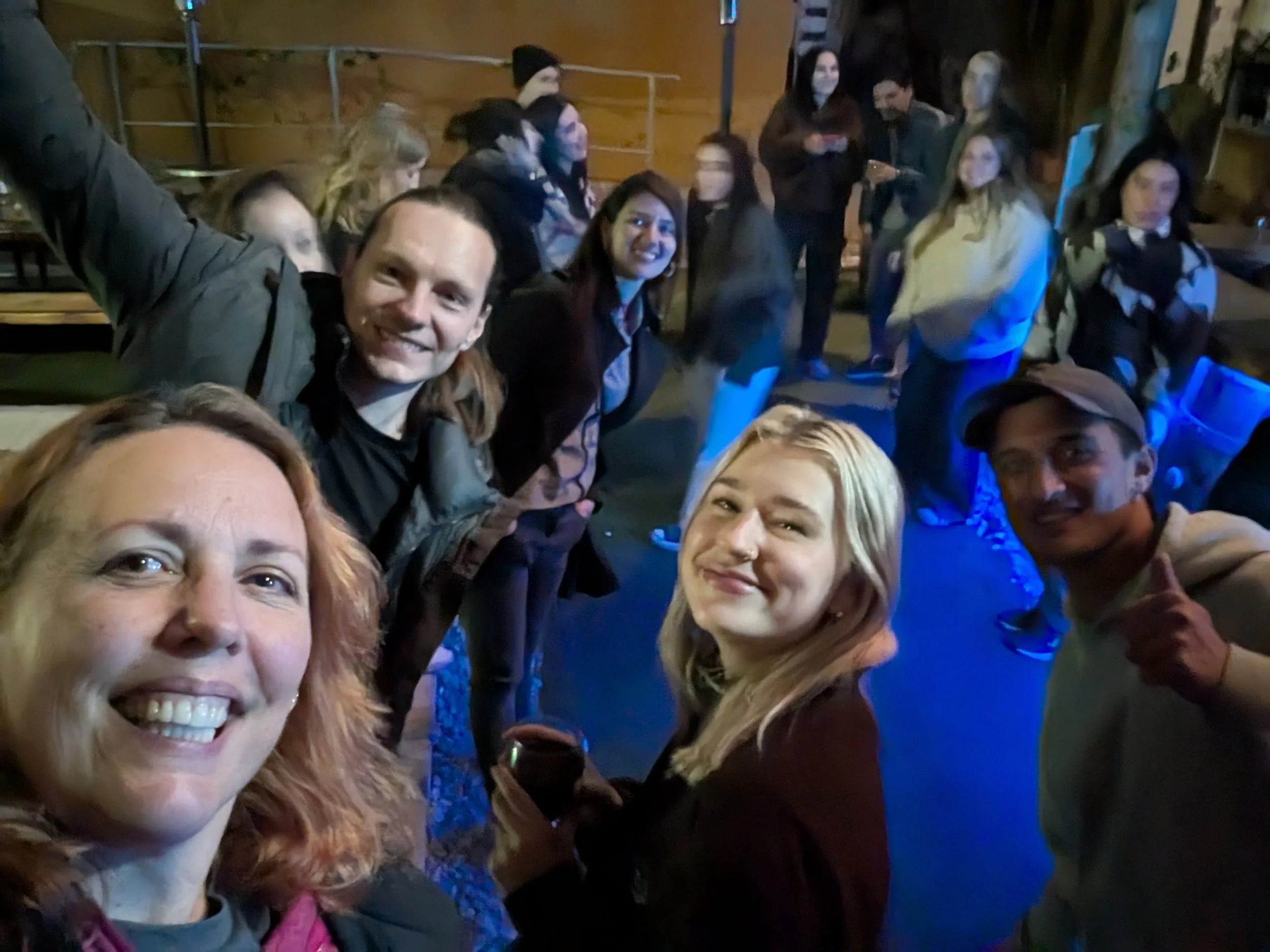
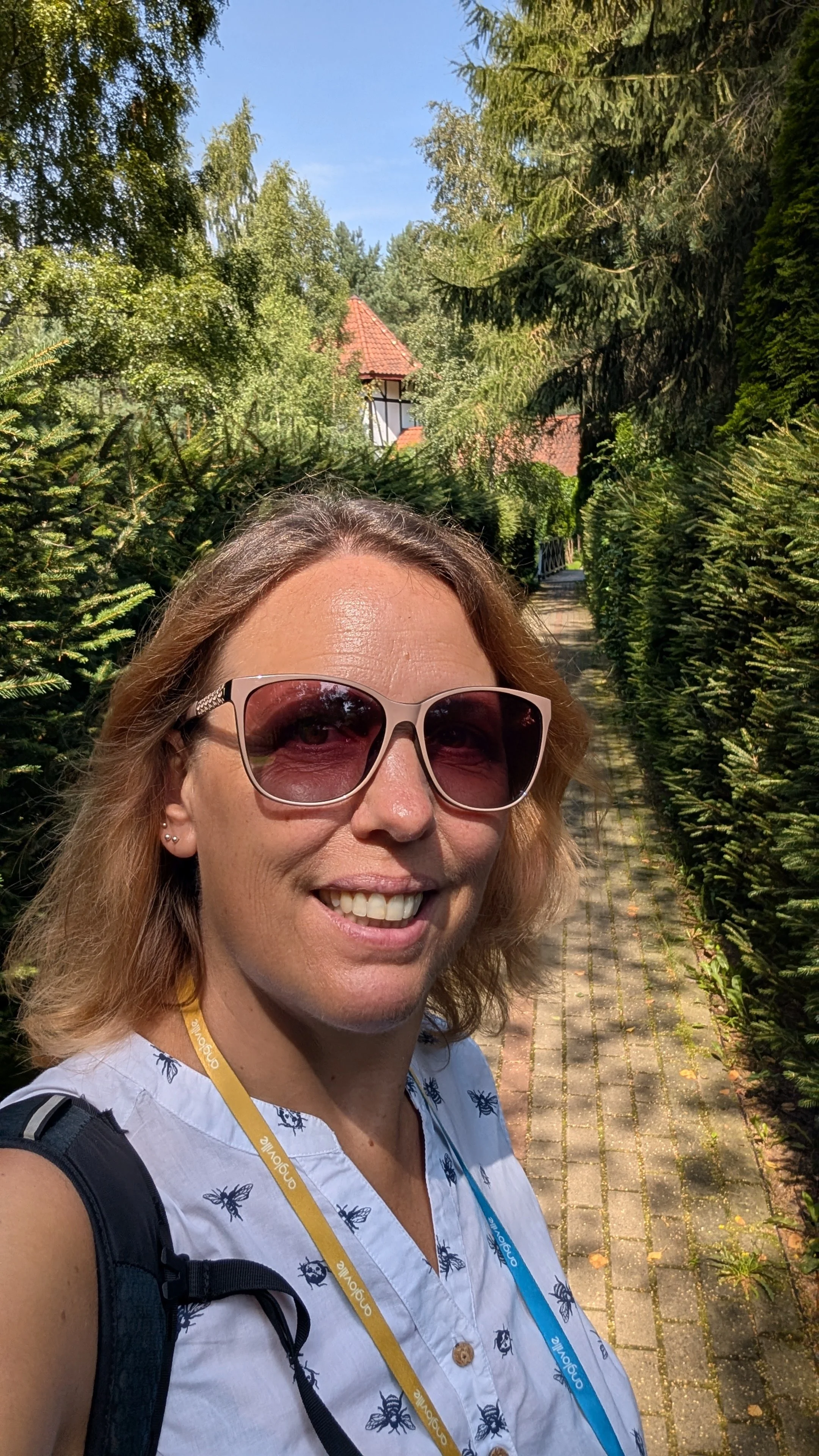
Yet social media posts and travel advertising often suggest that women visiting a country are faced with the same risks as women living in a country. But they are not the same thing at all.
We can think about it like this - imagine a country where 30% of women experience domestic violence. A woman reading that might reasonably think the country sounds dangerous. But that statistic is overwhelmingly about women living there, in relationships, within families. It tells you almost nothing about the risk to a woman spending two weeks hiking, staying in hostels, and joining walking tours.
Also, there are over a billion international tourist trips taken every year. Women make up a large proportion of those travellers. And when an attack on a tourist does happen, it's rare enough to become international news, which is itself evidence of how uncommon these incidents actually are. If tourist attacks were genuinely common, they wouldn't be newsworthy.
Governments also know exactly what tourism is worth to their economies. As a result, popular tourist destinations tend to have dedicated tourist police, well-lit attractions, visible security around major landmarks, and English-speaking emergency services. Countries actively invest in keeping visitors safe because the alternative is economic disaster (such as happened to Tunisia in 2015).
None of this means crime doesn't happen. Of course it does. Bags get stolen, scams exist, and occasionally serious incidents occur, sometimes to people who did absolutely nothing wrong. But those instances are rare.
Of course, I don’t want women to dismiss sensible precautions, because good judgement matters wherever you are in the world. But I do want to challenge the idea that travelling alone is something only the exceptionally brave should attempt.
Too many women never take the trip they've dreamed about because they've been led to believe the world is far more dangerous than it really is. My hope is that, by separating perception from reality, more women will realise that fear isn't always a reliable guide to actual risk and that solo travel isn't in fact, an act of bravery.
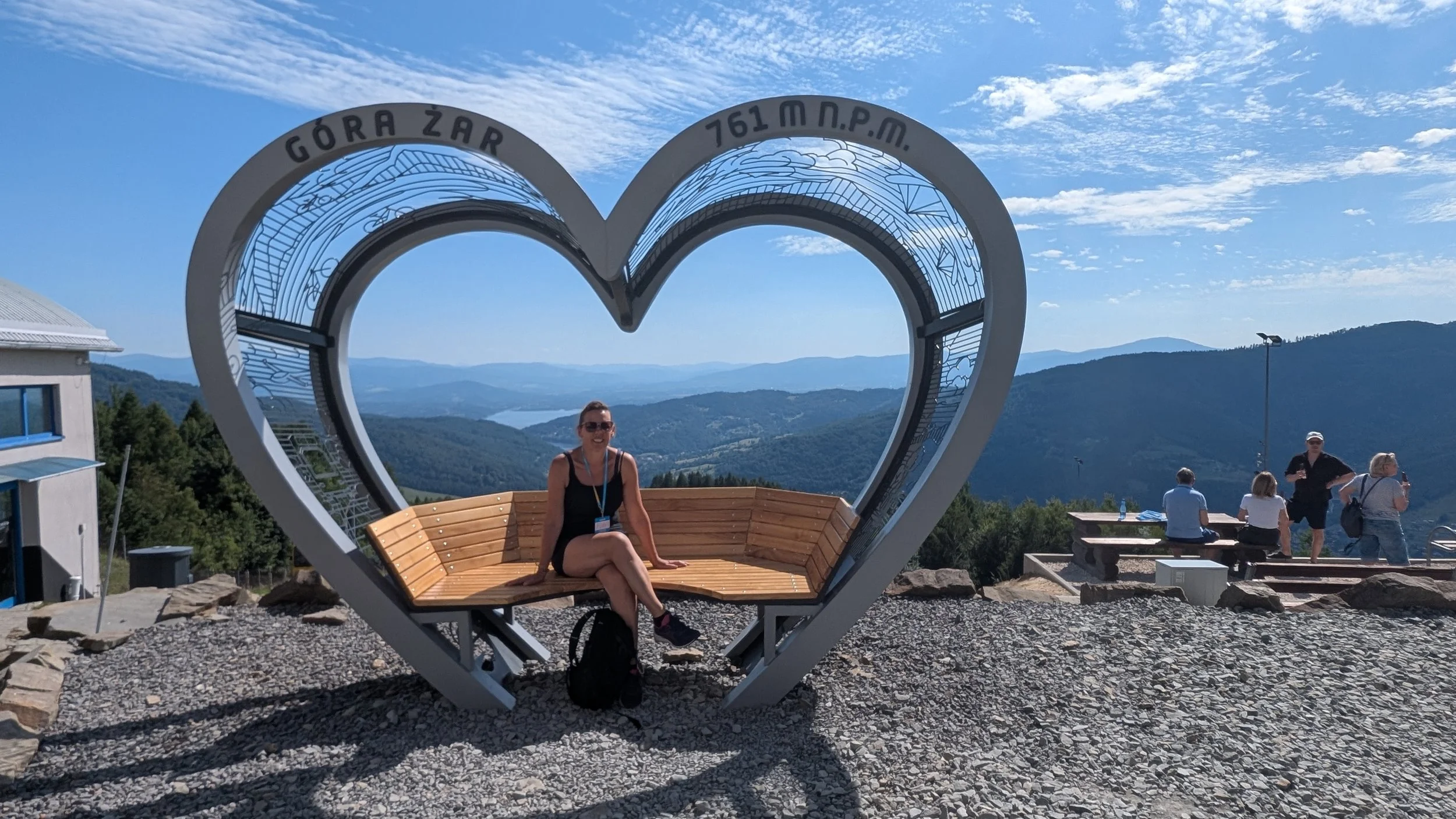
Part Two coming soon — where I talk about the skills we already have, why women midlife and over are better equipped for solo travel than they realise, and what actually keeps you safe out there.