How to Travel the World and Make it All About the Animals
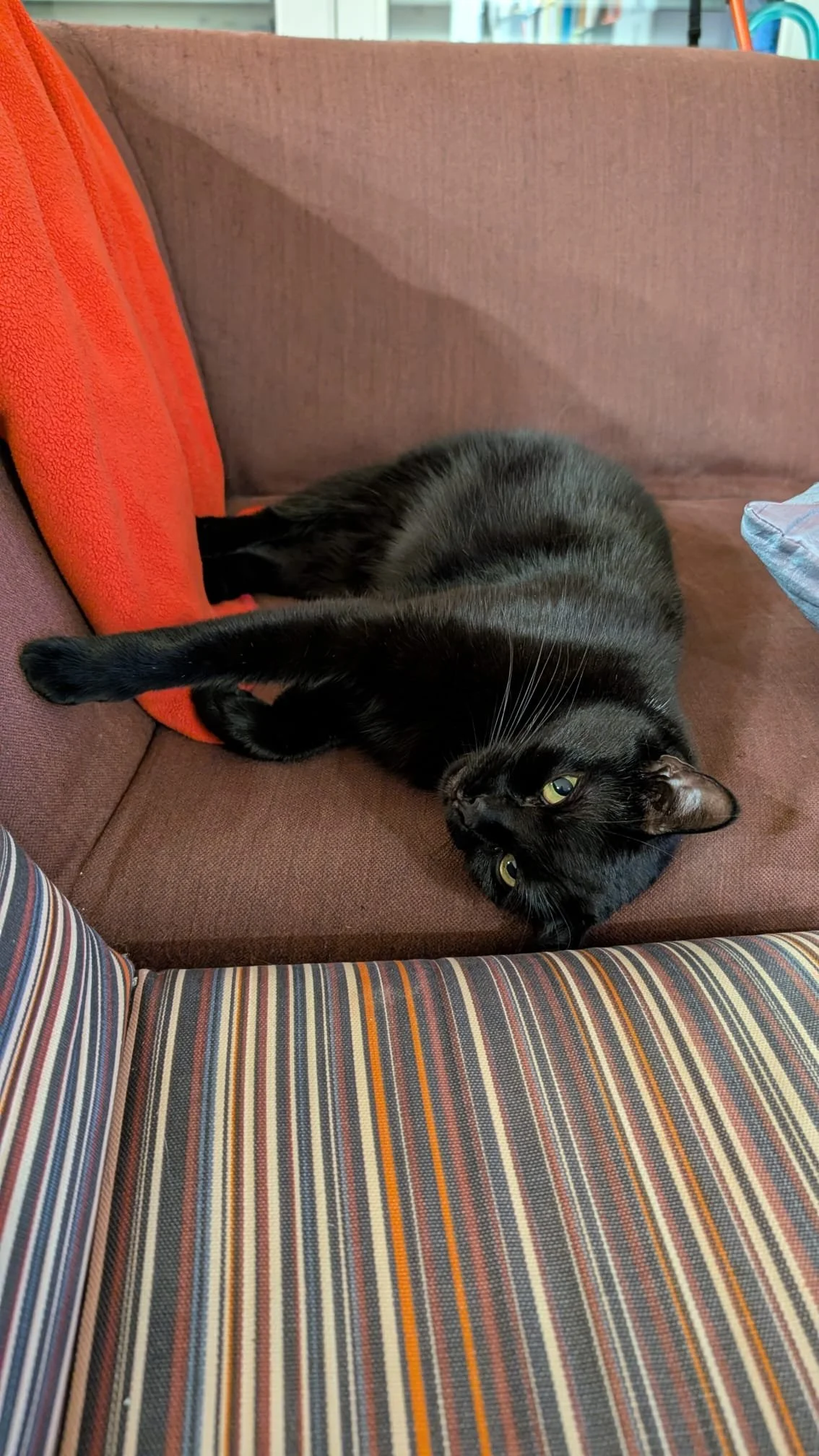
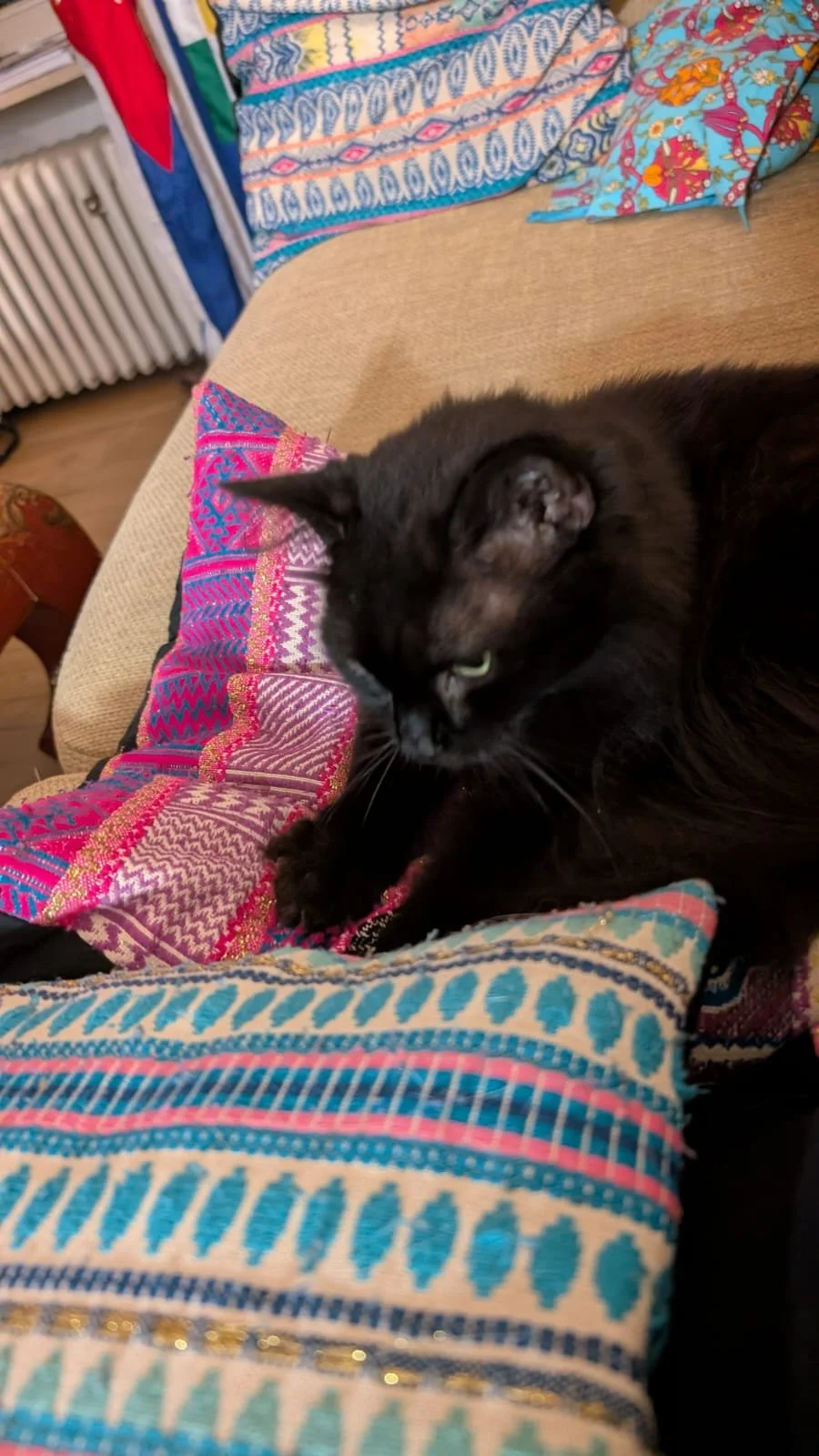
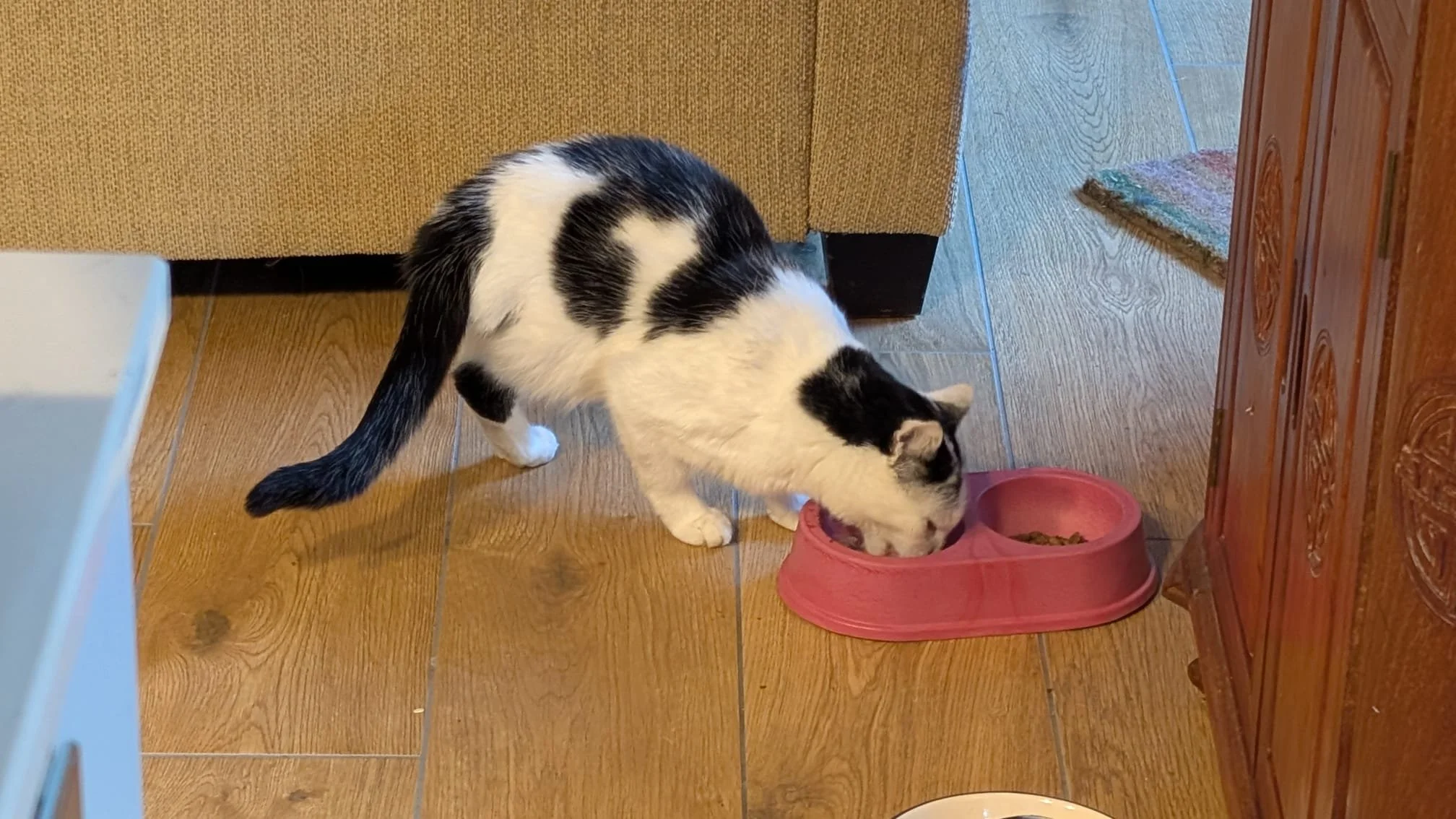
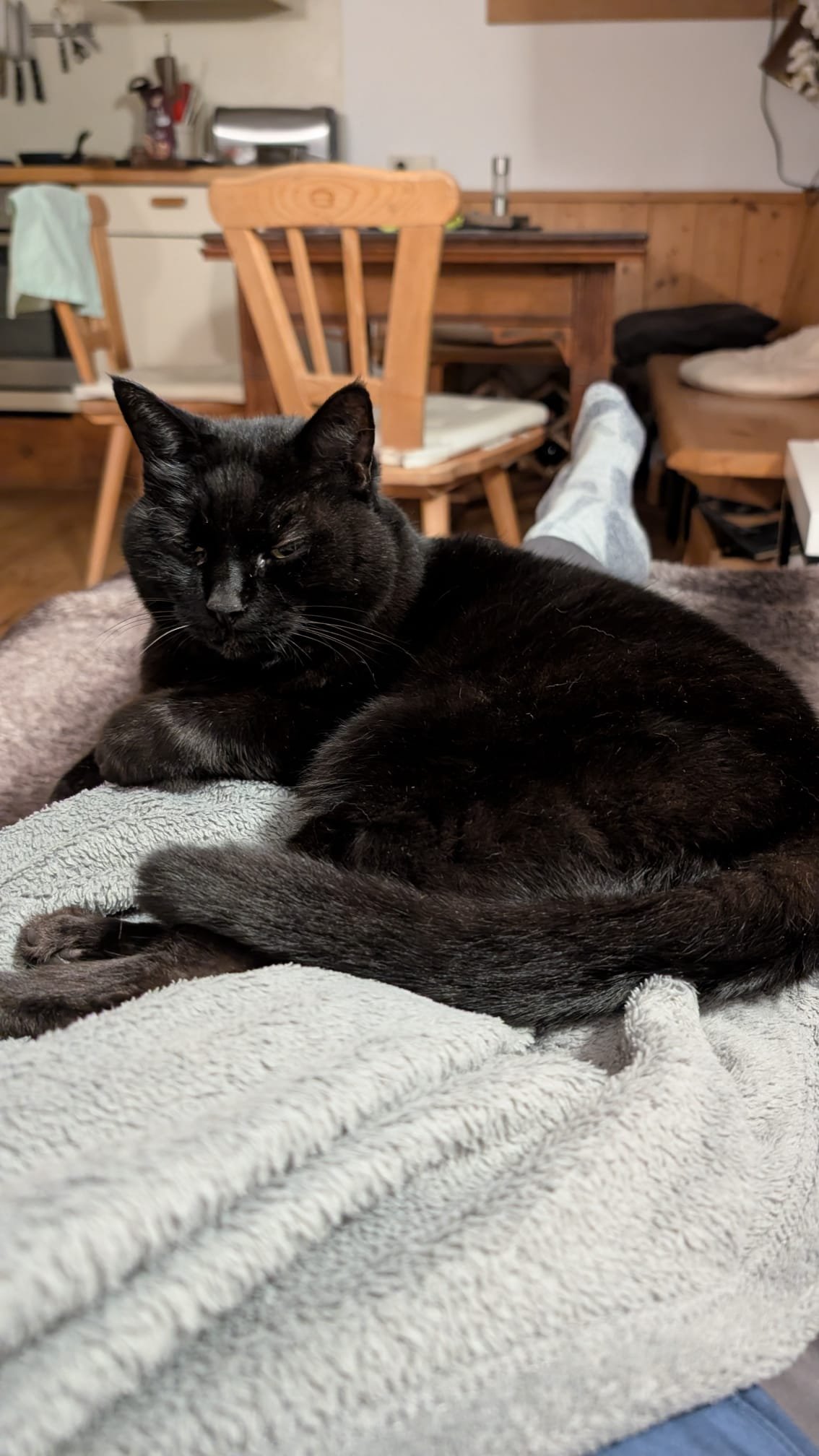
I've been cat sitting for four different cats over a month now. And it's given me a lot of time to think about my future travels and all the extraordinary ways you can combine travelling with animals.
Not just house sitting or paid safaris, but proper, meaningful experiences. The kind that put you right in the middle of the natural world rather than observing it from a comfortable distance. The sort of animal immersion that becomes the highlight of an entire trip.
So I asked other solo women travellers for their ideas, and they didn't disappoint. Dozens of ideas, recommendations, and personal stories, with enough options to fill several years of travel. I'm looking forward to trying some of them myself, and I hope this gives you some inspiration too. Just make sure to do your research before you book - this first example is a case in point.
The elephant in the room - literally
Volunteering with elephants came up more than anything else, usually in Southeast Asia. One woman has been doing it for ten years, visiting different projects and now meeting up with women she's befriended along the way. Her advice: only a handful of places offer a truly ethical experience, because some elephant experiences present themselves as sanctuaries but are essentially tourist businesses. You pay, you give an elephant a shower, you feel wonderful, and when that elephant dies they get another one. That's not conservation. That's a transaction, and "Elephant Sanctuary" doesn't automatically mean ethical.
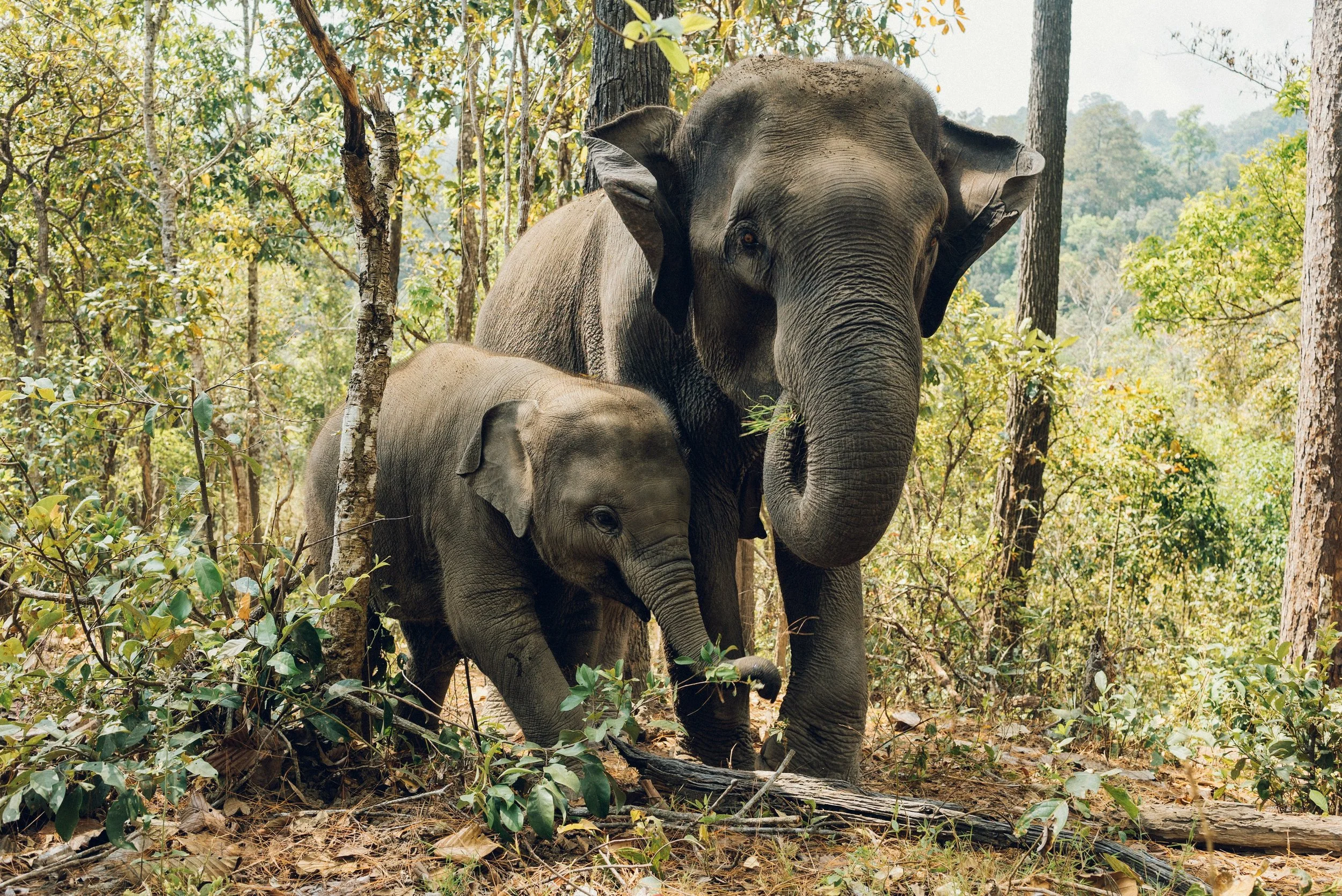
The places worth your time and money are those focused on genuine rehabilitation and long-term welfare.
Elephant Nature Park in Chiang Mai, Pete's Mission in Pai, and the Save Elephant Foundation in Laos all came up by name from women who have been there themselves. Do your research, ask questions, and if something feels more like a theme park than a sanctuary, trust that instinct.
Dogs, cats, and the places that need you most
The Soi Dog Foundation in Phuket came up repeatedly and with genuine passion. One woman has been volunteering there for twelve years. Another has written a book about it - Life After Lottie by Rachael Sadler - and apparently a number of women have gone there to volunteer after reading it. All book royalties go to the Foundation.
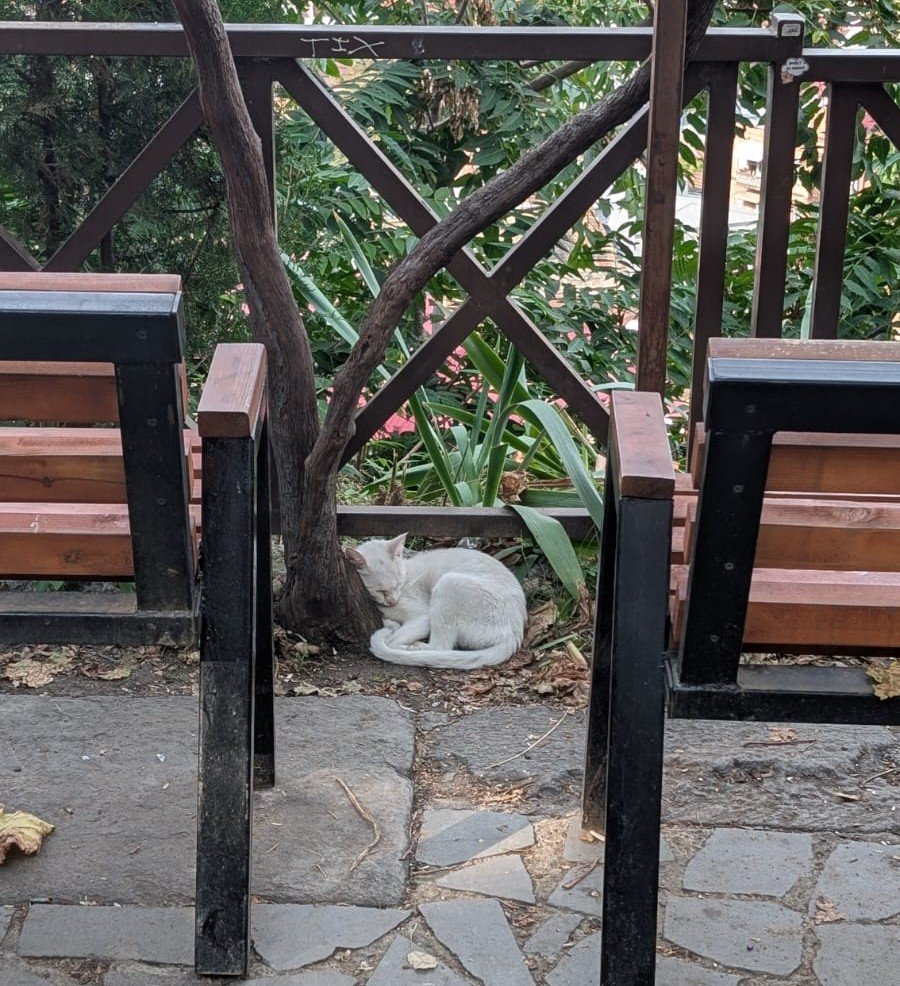
For cat lovers:
Dahab in Egypt has over a hundred rescued cats in the care of a woman called Gill, who runs Dahab Cats and is always looking for volunteers. Dahab is quiet, safe, cheap, and surrounded by desert and sea. I've actually been there, about twenty-three years ago, and I remember the street cats vividly.
Greece also came up - the islands always need volunteers for feeding rounds, shelter work, and sterilisation projects. Accommodation usually isn't covered, but if you're already there and want to contribute something meaningful, it's worth looking into.
In Southern Spain, PAWS PATAS Animal Shelter takes volunteers. In Thailand, Happy Dogs Koh Chang was recommended by someone who went solo and loved it.
And it's not just cats and dogs. My Lovely Horse Rescue in Ireland came up - and, brilliantly, My Lovely Pig Rescue. Anyone want to travel halfway around the world to spend their holiday mucking out a pigsty? I know at least one person who would genuinely love that.
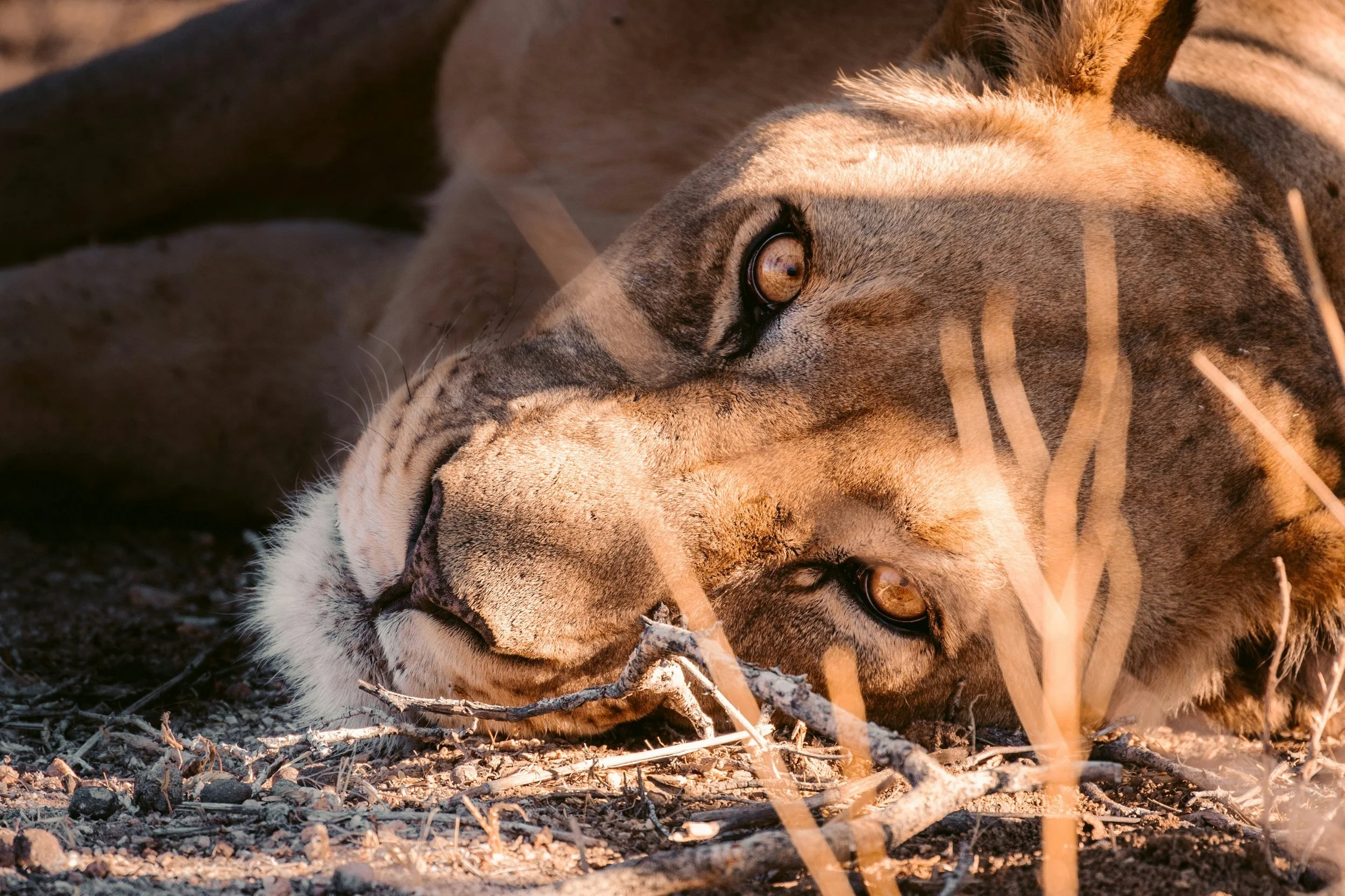
Wildlife conservation - for when you want to go bigger
You don't necessarily have to spend your trip physically cuddling something. Several women pointed towards Africa for serious wildlife conservation work - contributing to a project, collecting data, monitoring wildlife, or learning about a particular ecosystem.
Twala Animal Trust in Zimbabwe was described by one woman as her Shangri-La. She mentioned being able to read to a lioness and play music for her - and that the lioness even has her own musical taste! I feel this needs no further persuasion.
Forever Harnas Wildlife Foundation in Namibia came up too. I spent time in Namibia about twenty years ago and it's one of the most diverse countries I've ever visited, so this one is going on my own list.
Biosphere Expeditions run what one woman described as truly ethical conservation and citizen science expeditions - she's done one and is about to do another. Also worth looking at: Gowildatlas.com for wildlife and marine conservation across Namibia, Botswana, South Africa, and Tanzania, and IVHQ, which has animal volunteer opportunities including shared housing at very reasonable cost.
Turtles, sharks, and things that live in the sea
Marine conservation can get you out on the water, learning about sea life in places that are spectacular in their own right.
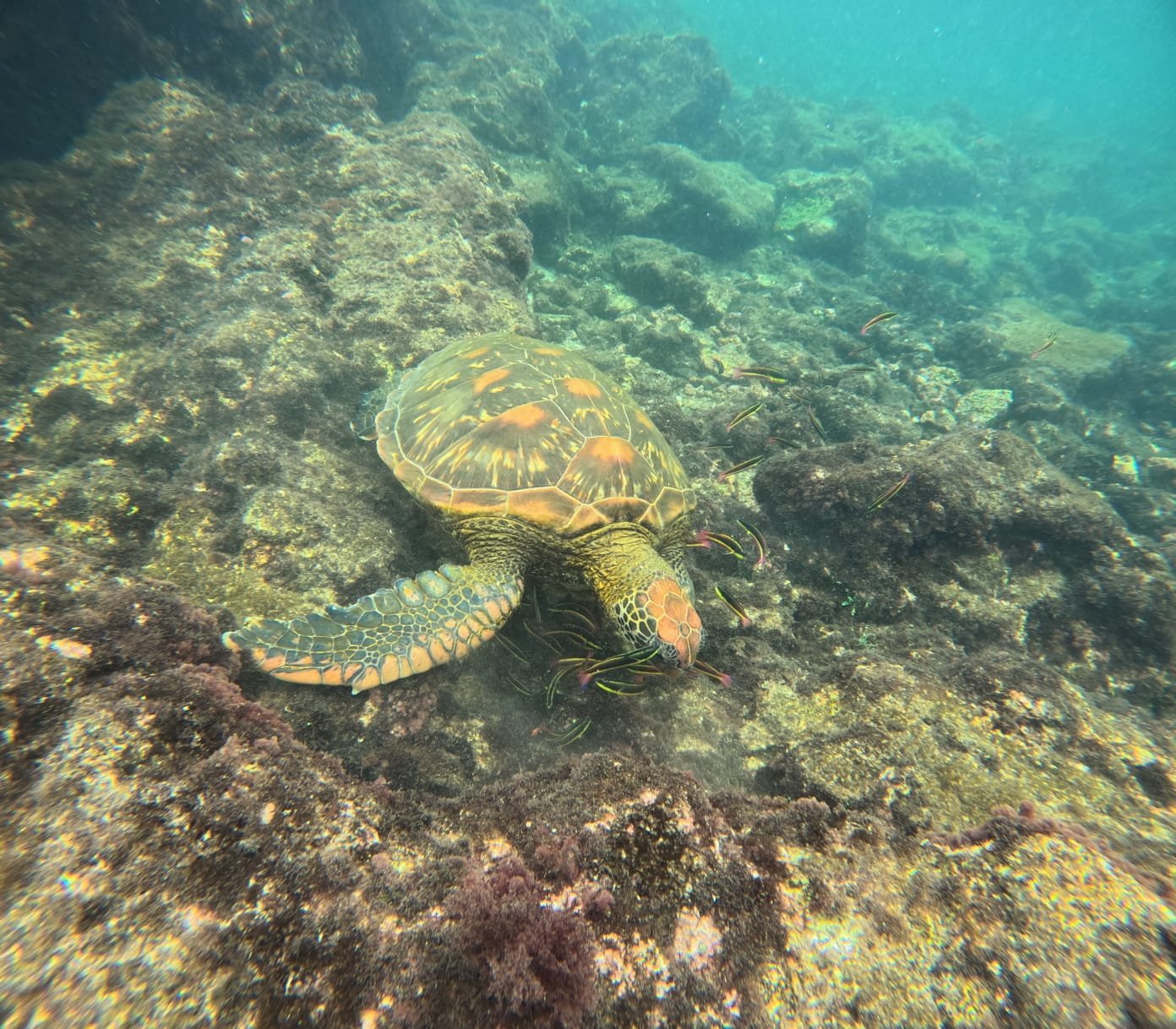
Sea turtle conservation in Costa Rica came up several times. Tambor Bay Turtles on Isla Tambor protects Olive Ridley sea turtle nests. Latin American Sea Turtles (LAST) was also recommended.
This kind of experience appeals to me far more than simply ticking "saw turtle" off a wildlife list. I saw turtles in the Galápagos last year and was genuinely thrilled just to see one in its natural habitat. But how much better to understand what's happening to them, see the conservation work first hand, and actually contribute to it.
And let's be honest — Costa Rica isn't exactly a hardship posting. It's already on my bucket list purely for the wildlife, so this has moved it up considerably.
For something more dramatic: one woman runs a shark charity called Shark Guardian and organises expeditions weaving education and conservation together. She also mentioned Lanta Animal Welfare on Koh Lanta in Thailand.
And for those who've always wanted to swim somewhere extraordinary: French Polynesia apparently offers diving with rays, sharks, and dolphins in conditions that defy description. A woman in the group mentioned an experience she still hasn't fully recovered from. Good enough for me.
Horses — they make great nay-bours
The Horse Safari Company in South Africa was recommended by someone who went for her 40th birthday and called it the best experience. One woman spotted a horse farm in Italy looking for volunteers during olive harvesting season - animals, food, and Italy - what’s not to like?
In Germany, a scheme called Urlaub gegen Hand - roughly "holiday in exchange for helping hands" - connects volunteers with farms, some of which are horse-related.
The less obvious ones - are you a bird nerd?
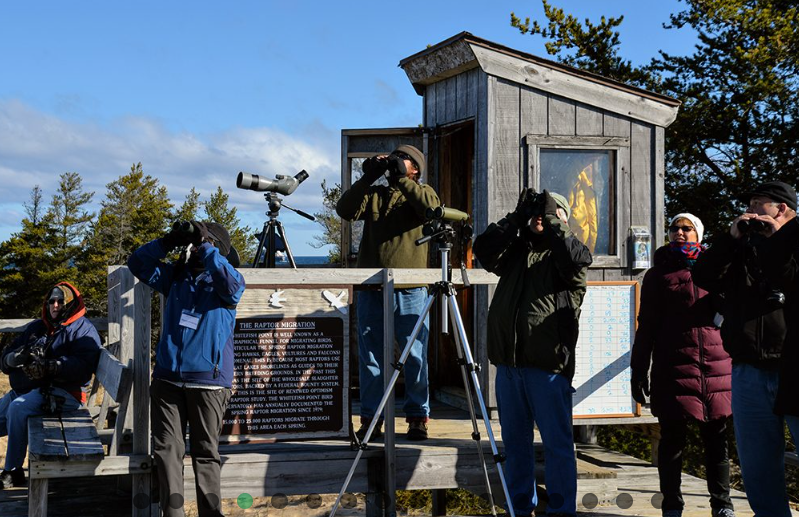
I hadn't thought about bird conservation at all until this came up. Migration counts and bird banding at the Whitefish Point Bird Observatory in Michigan has been running since 1966. Not the most obvious destination, but fascinating if birds are your thing. And you don't need to be an ornithologist, although knowing the difference between a sparrow and a skylark probably helps.
There are presumably hundreds of opportunities around the world involving wildlife monitoring, research, and citizen science that most of us have never heard of.
The Gambia: a conservationist mentioned a place sitting between a turtle rescue centre and a donkey sanctuary. ACE (Animal Care in Egypt) in Luxor provides free veterinary care for neglected working donkeys - with volunteer accommodation, Nile views, ancient temples, and warm weather. Not a bad setting for doing something genuinely useful.
And Aride Island in the Seychelles, which came with the best backstory of the entire thread: one woman went for three months to do conservation work.
She stayed for eleven years.
Eleven years.
Wildlife travel without volunteering
And of course there are places where the wildlife itself is simply the reason to go.
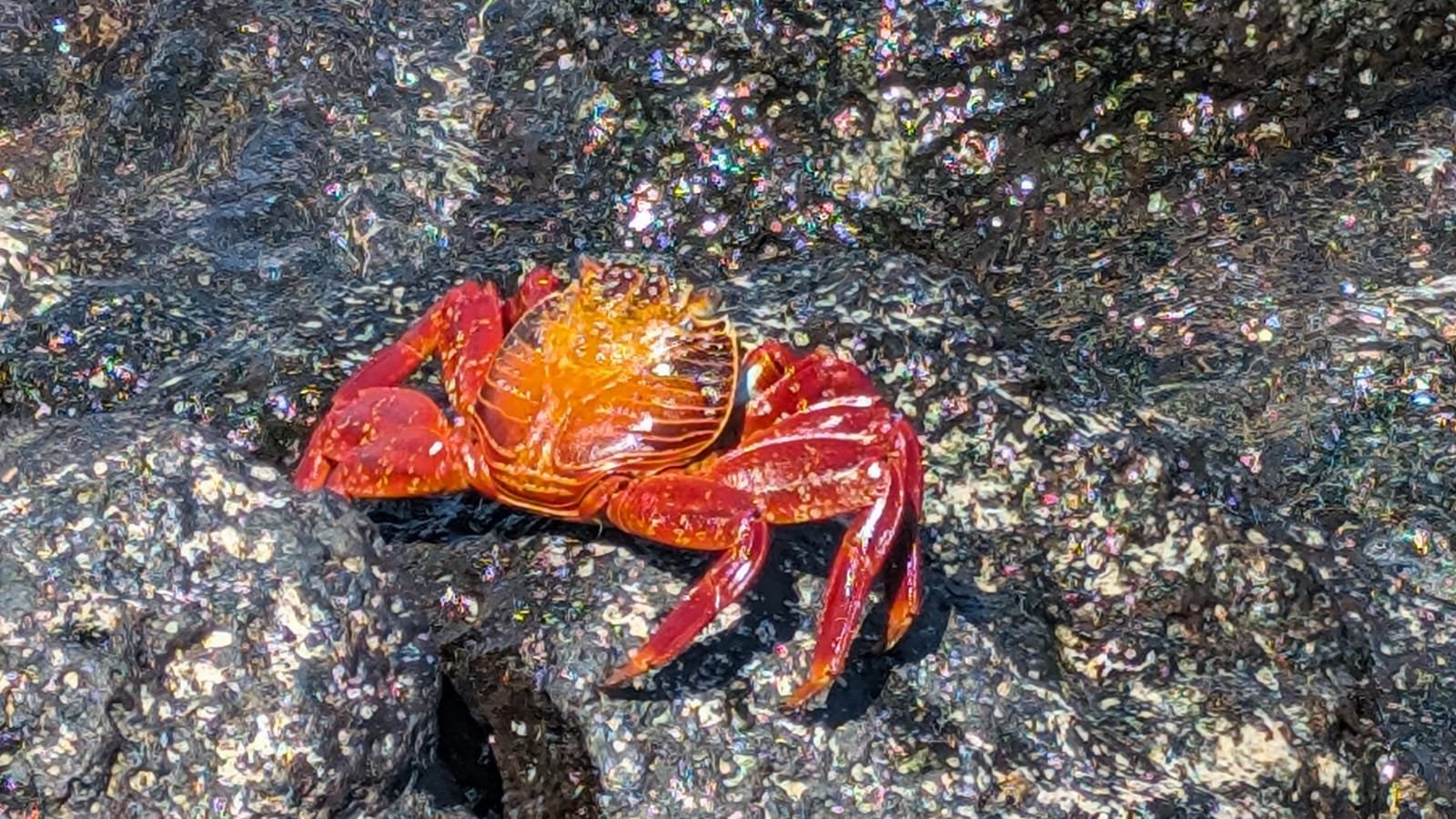
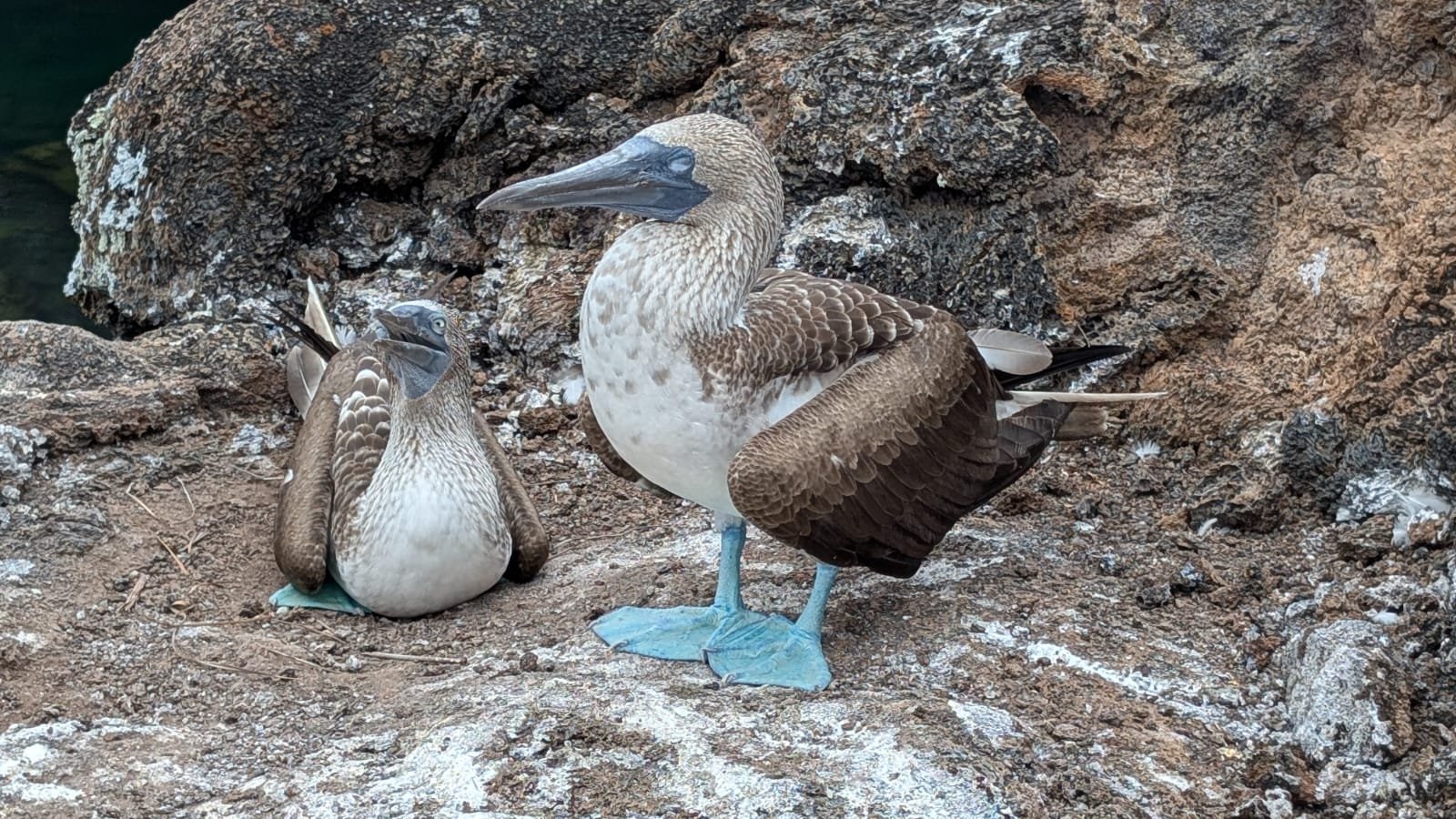
A photography trip to photograph wolves. A photography safari in Zambia. Bear watching in the forests of Estonia — which I've done myself and would recommend without hesitation. The Galápagos, with its marine iguanas, sea lions, giant tortoises, blue-footed boobies, penguins, and those ridiculously vivid red Sally Lightfoot crabs.
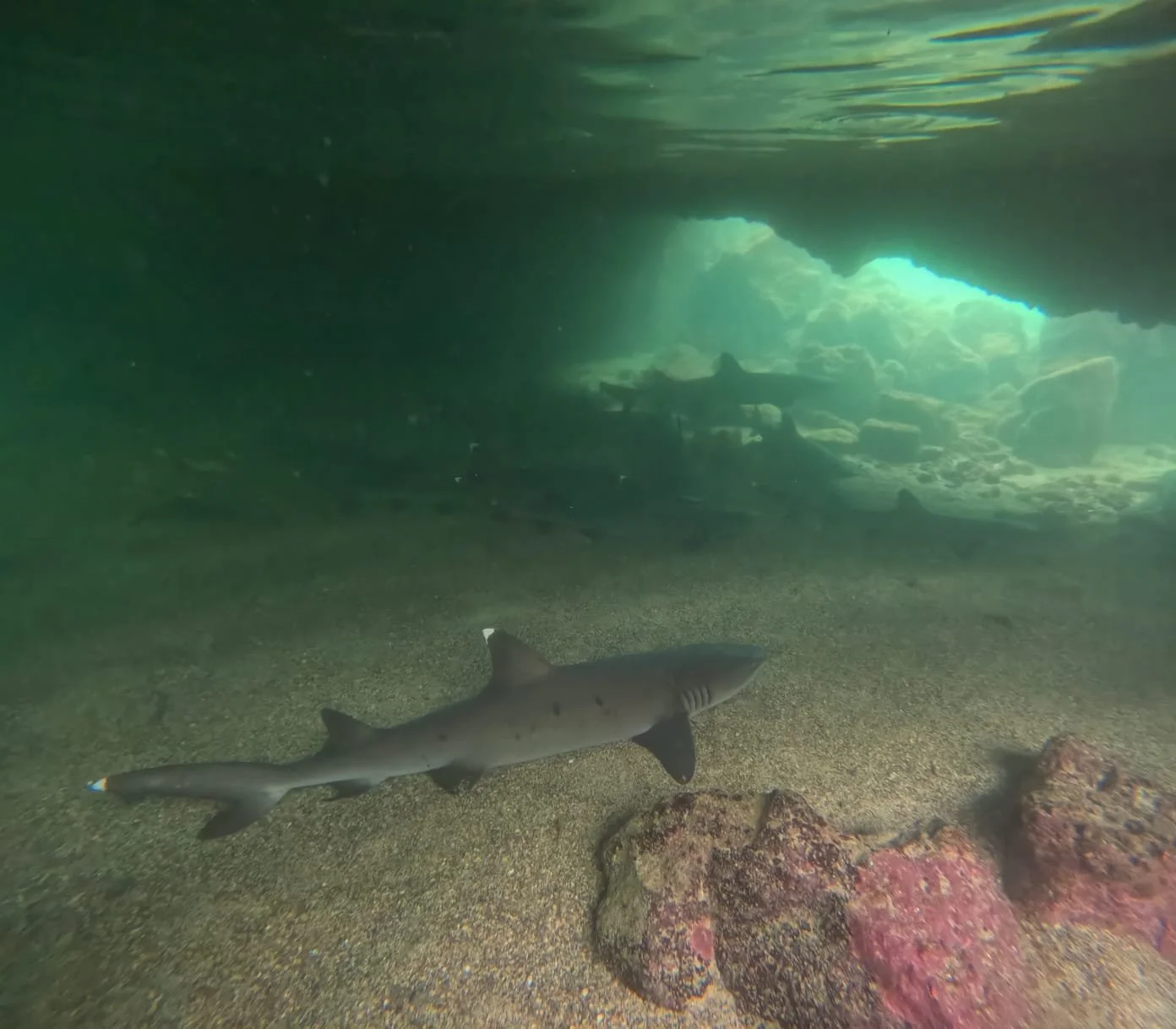
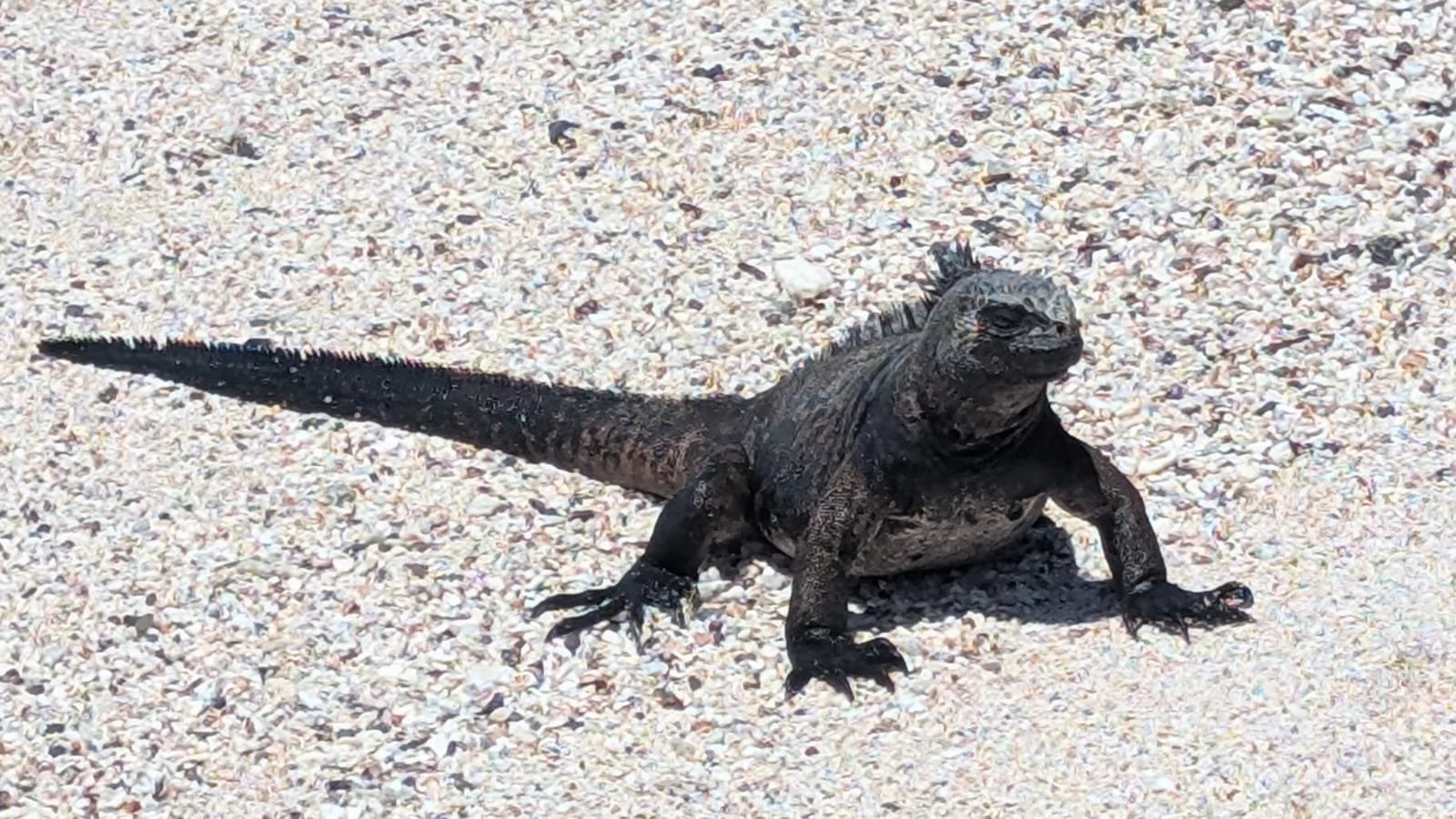
You don't always need a volunteering placement. Sometimes you just need to go somewhere where animals are part of everyday life - take a small group excursion, go kayaking, snorkel, walk through national parks, or simply sit somewhere and watch wildlife doing its thing.
A word on ethics - and doing your homework
Not every place that calls itself a sanctuary is one. Some opportunities that look like volunteering are essentially paid tourism dressed up with a purpose. And "volunteer" doesn't always mean free - some organisations charge fees, some include accommodation, some are essentially organised holidays with a conservation element bolted on.
Before you book, ask what your money funds, what volunteers actually do, and what happens to the animals long-term. Ask whether visitors are allowed to touch, feed, ride, or pose with animals. The answers tell you a lot. Look for independent reviews and first-hand accounts rather than relying on the organisation's own website.
Good starting points for finding legitimate opportunities: Workaway, IVHQ, Biosphere Expeditions, thegreatprojects.com, volunteerworld.com, and gowildatlas.com.
Where does this leave me?
With a list considerably longer than I started with, and genuine excitement about where some of these experiences might take me.
The month of cat sitting started as a practical arrangement to keep costs down. It's ended up making me think quite differently about what travel can look like when you build a real purpose into it - beyond the destinations themselves.
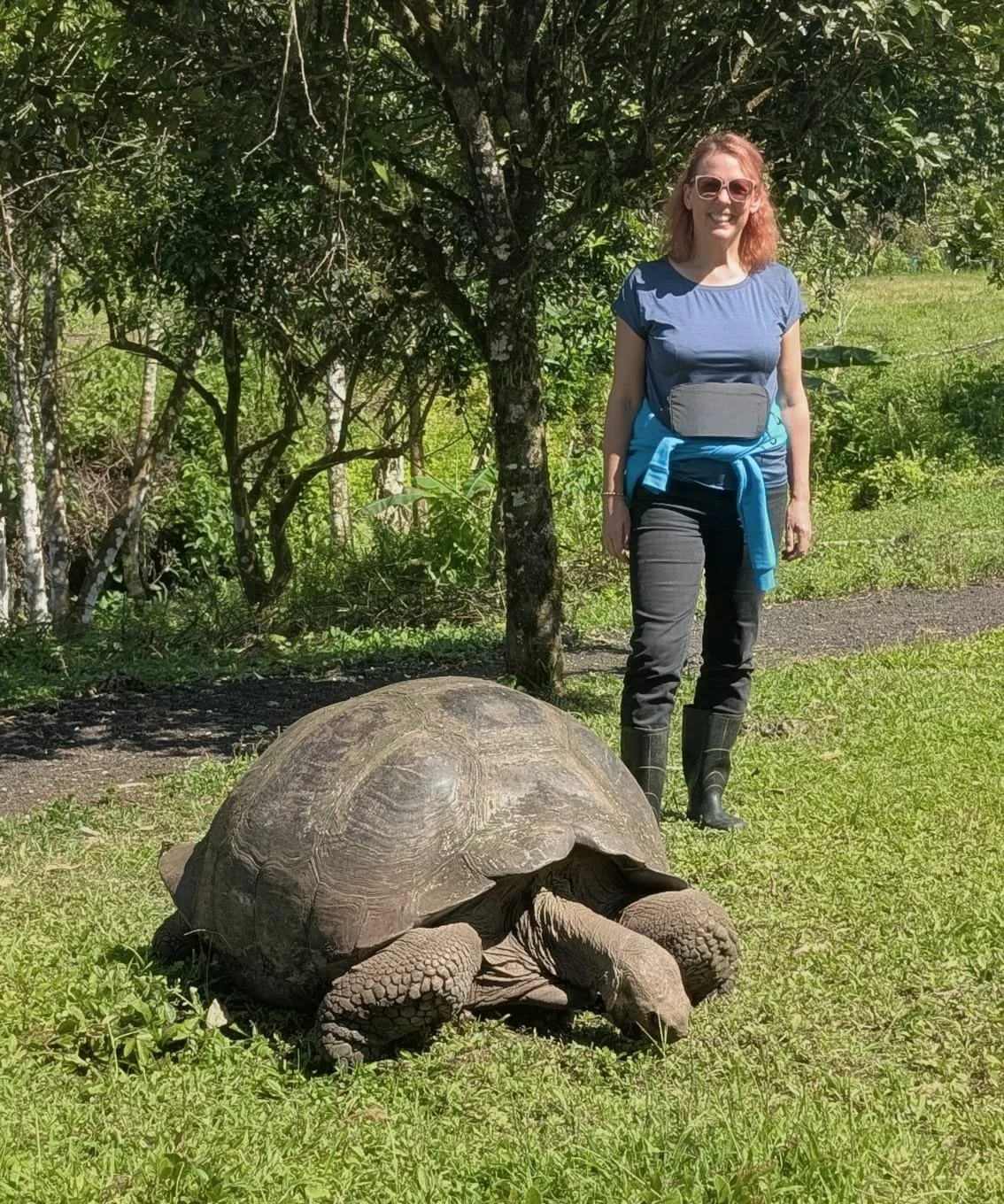
You might end up getting up at 6am to shovel something. But you'd also have accommodation, meet local people, and experience a place in a way you simply couldn't from a hotel. For those of us who love slow travel, that's a genuinely appealing prospect.
And you don't have to fly to Thailand. You don't need specialist qualifications. You don't need to sleep in a tent while monitoring rhino populations. Sometimes you just need someone to trust you with their cat.
What's wonderful about travelling with animals at the centre of it is that it changes your pace entirely. You might volunteer for a week. You might stay for three months. You might go back every year. You might meet other solo travellers and end up travelling together.
You might, like one woman in the Seychelles, go for three months and not quite make it home for eleven years.
There are worse outcomes.