"You're So Brave!" – what actually keeps you safe - Part 2
In Part One, I talked about why the statistics we share in travel groups don't mean what we think they mean, and why social media has quietly convinced a lot of women that solo travel is far more dangerous than it actually is.
So if it isn't the danger we've been told about, what does keep solo female travellers safe?
Mostly, I think, it's us.
We already have the skills, we just don't give ourselves credit for them
Here's something I genuinely believe and feel strongly about: women over 50 are really well equipped for solo travel. Not despite their age, but because of it.
By this point in life, we've spent decades reading people. We know when something feels off. We've learned to say no without quite so much apologising attached to it. And we understand (most of us), that being polite is not more important than keeping ourselves safe. Those instincts are one of your greatest safety tools.
(I wrote more about why women over 50 make such brilliant travellers in my very first blog. Click here if you want the full version.)
Why Women Over 50 Make Incredible Solo Travellers — Unescorted
I don't take risks. I just make sensible decisions.
Here’s a real example of what I mean.
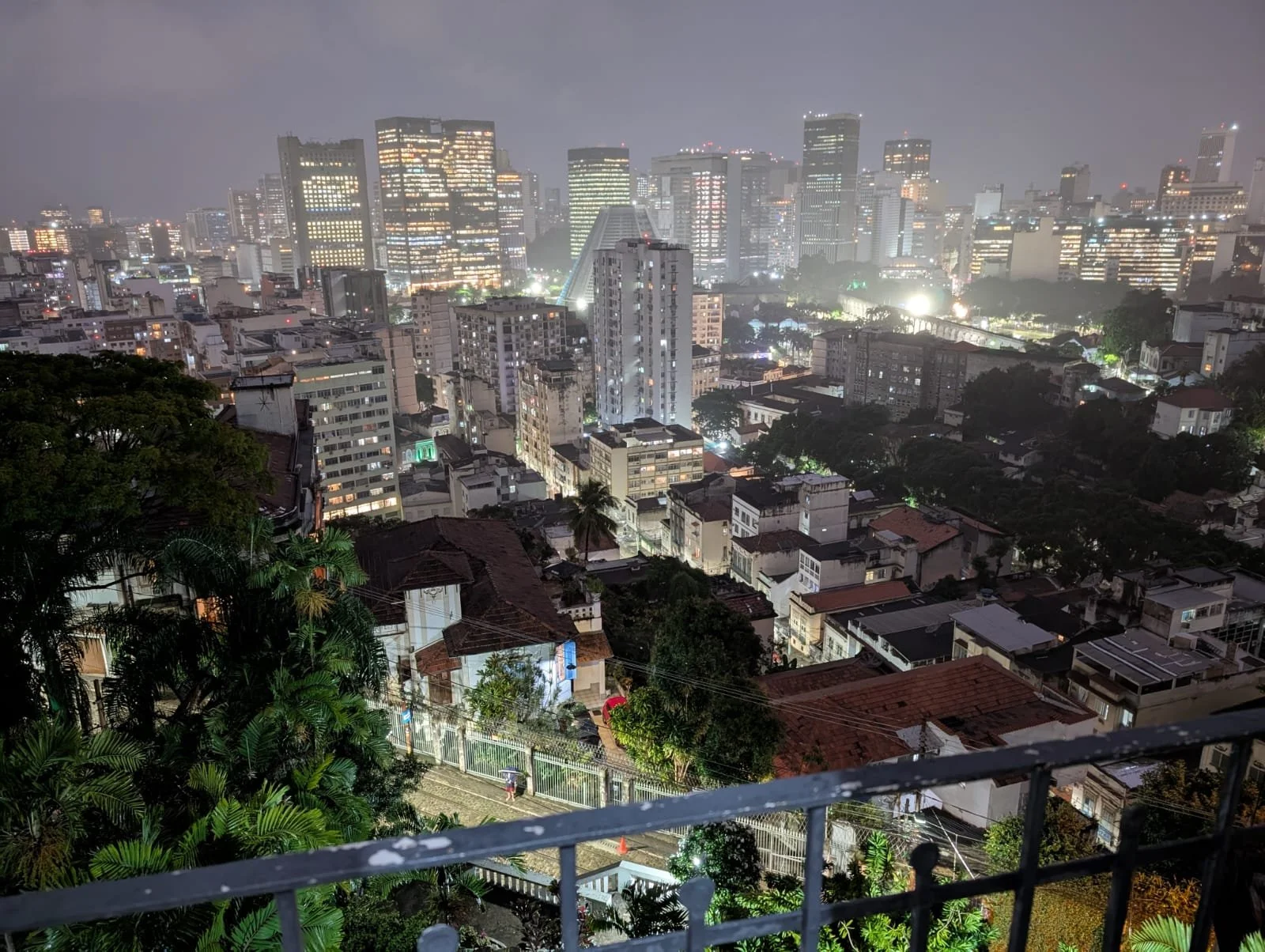
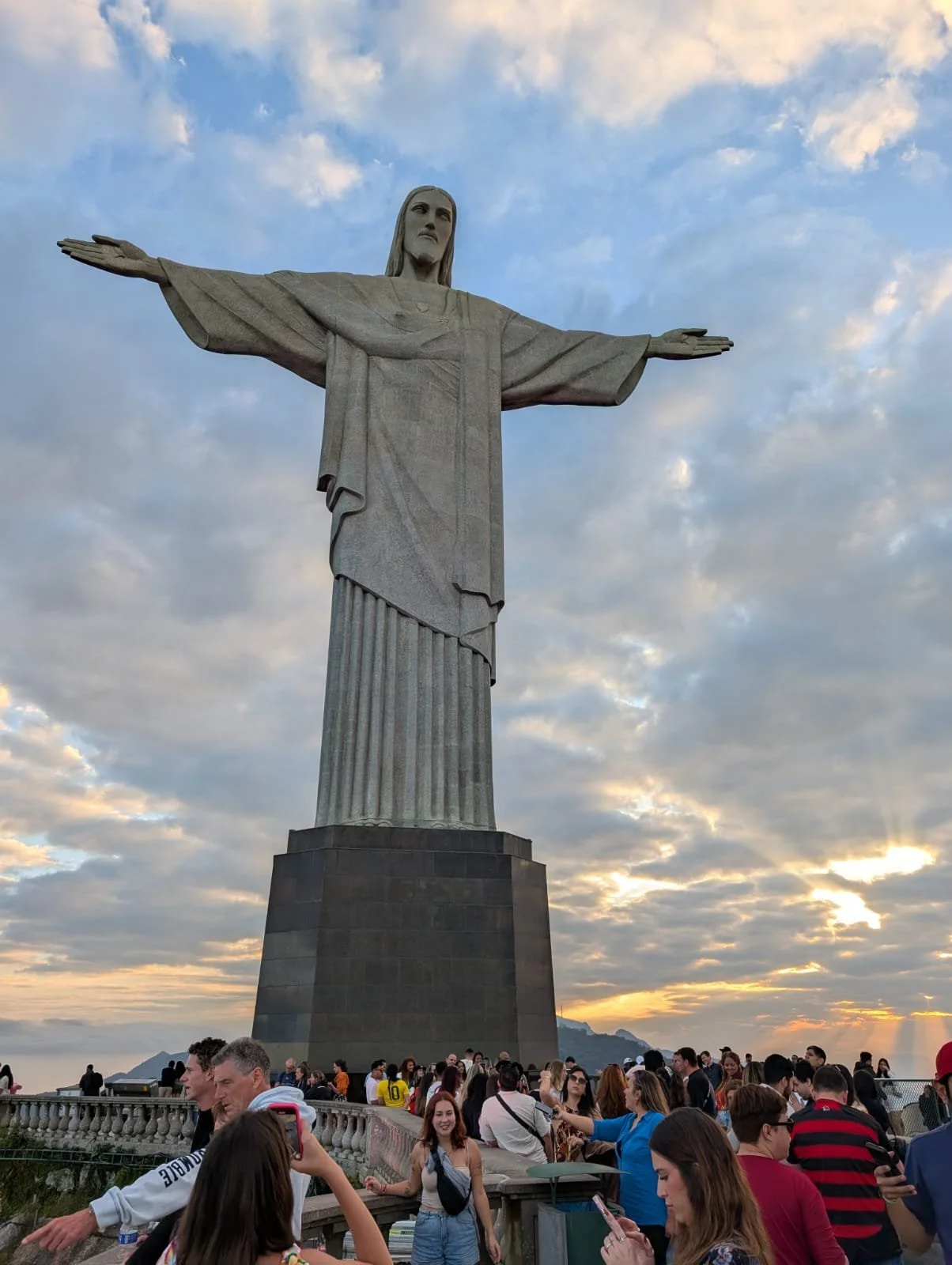
When I was in Rio de Janeiro, I met four people from my hostel in the space of four days who had been mugged for their mobile phones. All of them were under 25. All of them had got drunk and walked back to their accommodation in the early hours, despite being warned explicitly by hostel staff to get an Uber after 10pm. Ubers in Rio are cheap, plentiful, and take approximately three minutes to arrive.
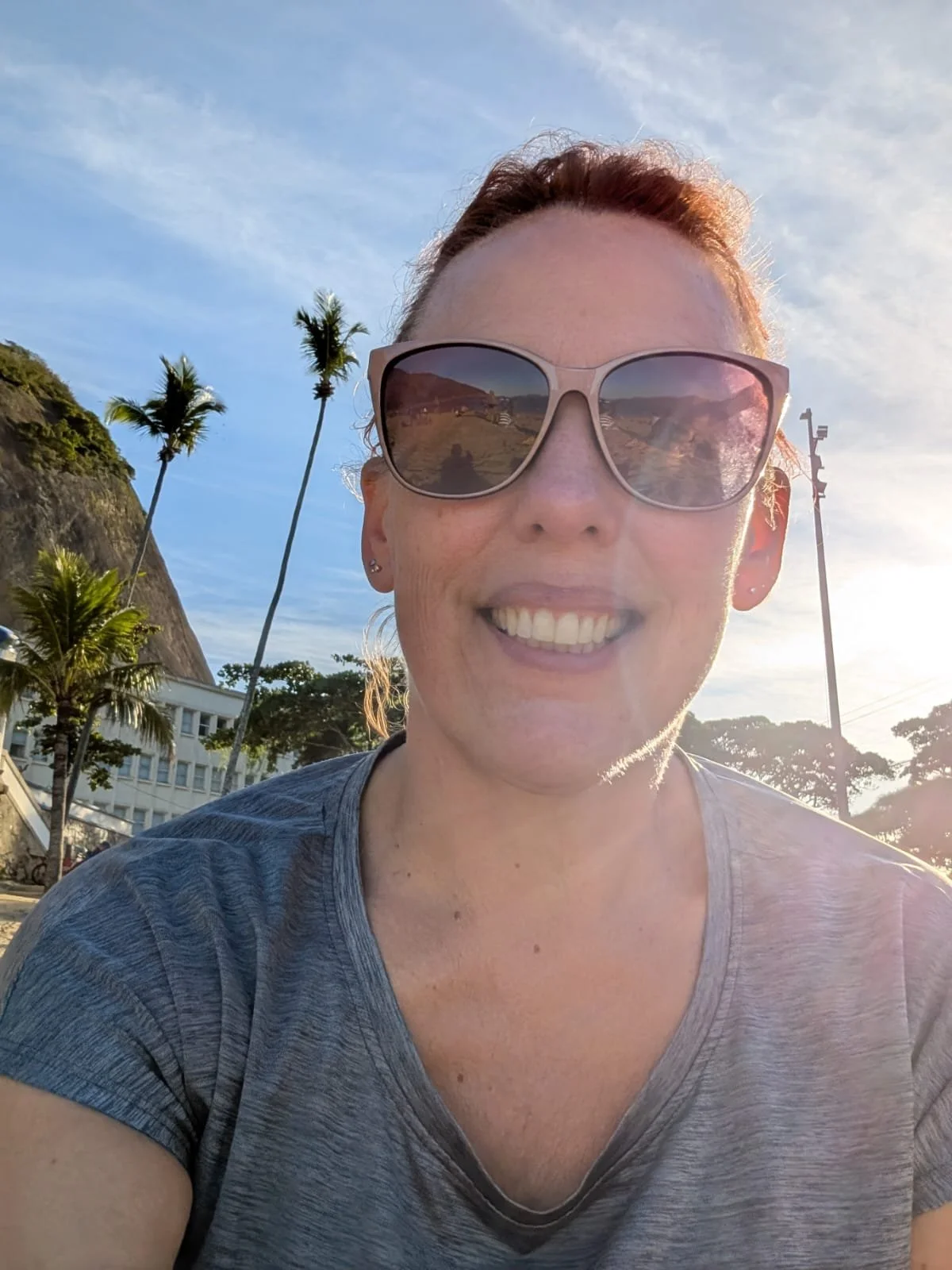
I followed the advice and got Ubers from 9pm onwards. I had a completely pleasant, event-free stay in one of the most beautiful cities I've ever visited.
Same city. Very different decisions. Very different outcomes.
That's not fearlessness. It's just common sense applied somewhere unfamiliar.
I don't get drunk alone in places I don't know and I don't wander strange streets late at night because Google Maps says it's a shortcut. Last week in Warsaw I walked ten minutes out of my way with all my luggage to avoid a street that didn't feel right. No debate, no second-guessing, no travel partner to convince me otherwise.
These aren't things I did particularly well in my twenties, if I'm honest. But now I follow those rules almost automatically. The result is that my actual worries while travelling tend to be things like where to eat tonight and whether to visit this museum or that one. Not the things people imagine I'm worrying about.
Kindness is genuinely more common than danger
But this is the part that rarely makes the news.
During my recent travels through South America and Europe I've relied on complete strangers hundreds of times. Hostel owners who went out of their way to find me an obscure bus connection. Fellow travellers who handed over weeks' worth of local knowledge without being asked. Tour guides who made sure I got back safely. People have translated menus, carried my bags, invited me to dinner, and gone significantly out of their way simply because I needed help and they could give it.
But the moment that stays with me most happened when I was ill on a homestay in Cusco, Peru. I was feverish, spent most of my time in bed, and needed to be close to a bathroom. I was a bit miserable and feeling sorry for myself. My host, a woman I'd known for two days, sat with me, made food she thought would help, checked on me often, and refused to let me apologise for the inconvenience.
That's the world I've actually been travelling through. Not the one described in the scary corners of Facebook groups.
Home isn't automatically safer than everywhere else
The places that feel safest to us aren't necessarily the places with the least crime. Familiarity has an enormous influence on how we perceive risk.
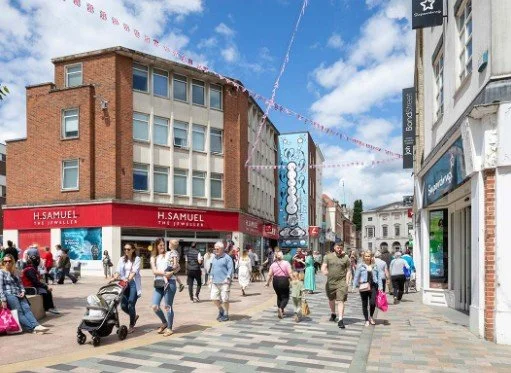
Take my home town of Chelmsford in Essex. I certainly don't think of it as dangerous. I know it, I understand it, and I wouldn't think twice about going into town alone. No-one has ever suggested to me to ‘take care’ when I’m there. Yet in the twelve months to September 2024, Chelmsford recorded 14,859 crimes, including 5,909 offences classed as violence against the person, 636 sexual offences, and 119 robberies.
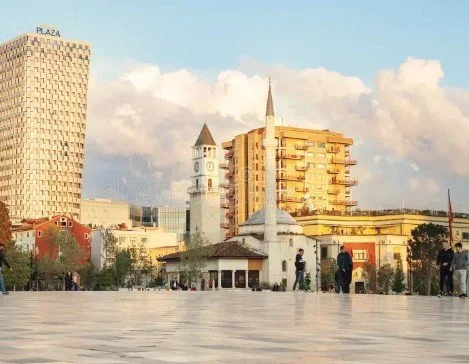
Now compare that with how people react when I tell them I'm heading to Albania in September, travelling independently. The response has been rather different. Albania is unfamiliar to most British travellers, and its reputation for organised crime doesn't help its image.
Yet the UK government's own travel advice says that reports of crime targeting foreigners are rare, and its guidance amounts to the same common sense I'd apply anywhere: watch for pickpockets in busy areas, take care on public transport, be more cautious late at night.
The same advice could apply to Chelmsford on a Saturday evening. Meanwhile, those 14,859 crimes happened in my home town in a single year. And I still don't consider Chelmsford a frightening place.
So my point is, that at home, we know which areas to avoid after dark, how to read a situation, when something feels off. Abroad, those familiar reference points disappear and it's easy to mistake that uncertainty for danger.
They are not the same thing.
So am I actually brave?
Maybe a little. But I don’t think it’s because I travel alone. If I'm brave at all, it's because I decided, slowly, over time, with plenty of wobbles along the way, not to let other people's fear make my decisions for me.
Solo travel is about being prepared, paying attention, and trusting a judgement you've spent decades building without necessarily realising it.
The world isn't perfectly safe. But then neither is staying at home. And it is, in my experience, considerably kinder and more wonderful than the scary corners of the internet would have you believe.
If fear has been the thing stopping you, ask yourself this: is that fear actually yours? Or is it something you've absorbed from other people's stories, other people's headlines, other people's worst moments shared in Facebook groups at scale?
Because in my experience, the biggest obstacle to solo travel usually isn't the world at all.
It's just deciding to begin.